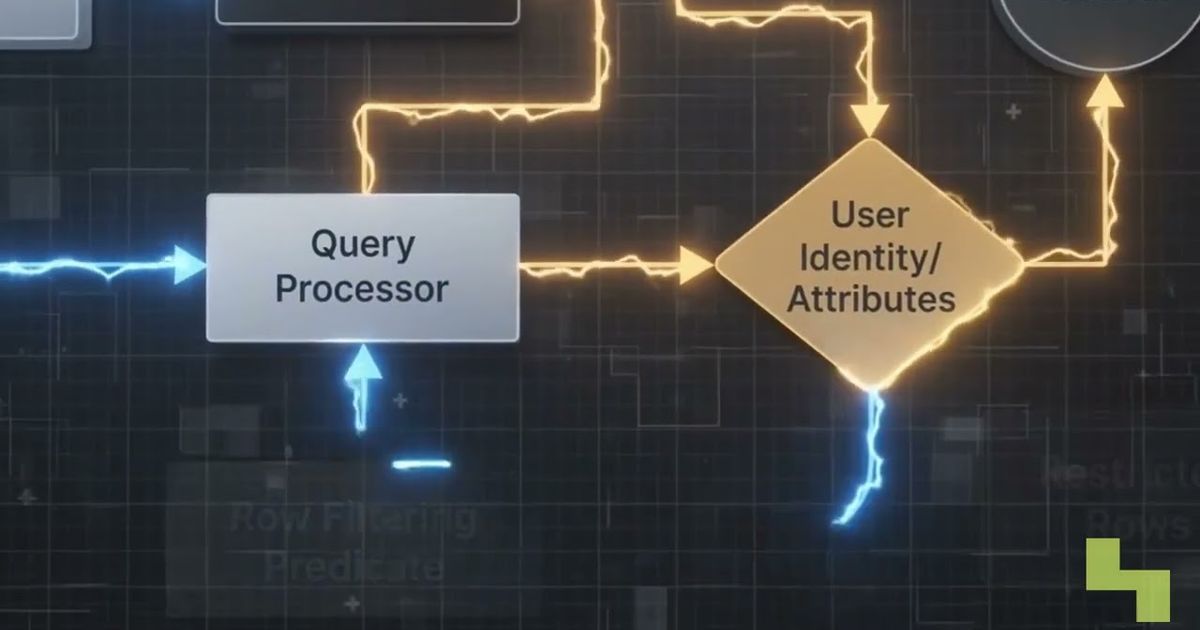
Data engineering challenges arise because pipelines can run successfully while producing incorrect, incomplete, or stale data. The main risks are schema drift, compounding quality defects, limited data observability, late or out-of-order events, and hidden downstream dependencies. Reliable systems therefore validate both pipeline execution and the data that each stage produces.
These failures can spread across reports, models, applications, and operational decisions before teams notice the original problem. The video above walks through the core ideas.
Why are data engineering pipelines hard to operate?
Data pipelines are difficult to operate because their failure modes are often subtle, distributed, and delayed. A technical job may complete without errors even though its output is unusable.
Pipelines sit between changing source systems and many downstream consumers. Each stage introduces assumptions about schemas, field meanings, timing, uniqueness, and completeness. When one assumption stops holding, the resulting defect can pass through several transformations and affect dashboards, machine learning features, customer-facing applications, or automated decisions.
The blast radius also grows as data is copied, aggregated, and joined. Unlike an application request that clearly succeeds or fails, a pipeline can produce plausible but incorrect results. That makes prevention, validation, and impact analysis as important as infrastructure availability.
How does schema drift break data pipelines?
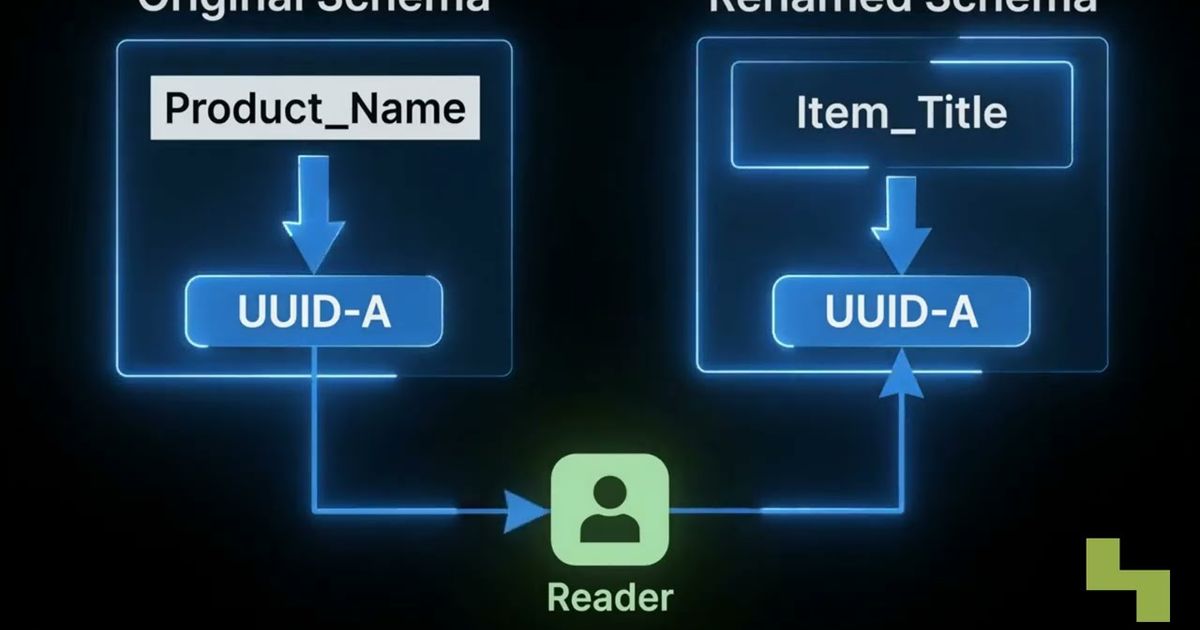
Schema drift breaks pipelines when a source changes its structure without corresponding updates to downstream logic. Renamed columns, changed data types, new nullability rules, and altered field semantics can invalidate transformations silently.
Some changes cause explicit failures, such as a missing required column. More dangerous changes continue to run while changing the meaning of the output. A numeric identifier converted to text might affect joins, while a newly nullable field could disappear from aggregates without raising an exception.
Teams can reduce this risk by treating schemas as governed contracts:
- Validate incoming data against expected types, required fields, and constraints.
- Classify changes as compatible, reviewable, or breaking before promotion.
- Version schemas and transformation logic together where practical.
- Test representative downstream queries before accepting a source change.
Schema controls cannot prevent every upstream change, but they make drift visible before it becomes corrupted output.
How do you monitor data quality in production?
Production monitoring must inspect the data itself, not only the infrastructure running the pipeline. Healthy compute, storage, and orchestration do not prove that the resulting records are correct.
Common quality problems include unexpected nulls, duplicate records created by retries, malformed values, and timestamps interpreted in the wrong time zone. Individually, these defects may appear minor. Across high-volume data and many dependent pipelines, they compound until analytical and operational outputs are no longer trustworthy.
Useful data-level signals include:
- Row counts and changes in expected volume.
- Value distributions, ranges, and category frequencies.
- Freshness relative to the expected delivery schedule.
- Uniqueness, nullability, and referential integrity.
- Reconciliation between source and destination records.
Monitoring should combine clear expectations with alerts that identify which dataset, partition, or transformation violated them. A broader AI data quality approach can then connect detection to ownership, remediation, and prevention rather than treating each incident as an isolated pipeline failure.

How should pipelines handle late-arriving data?
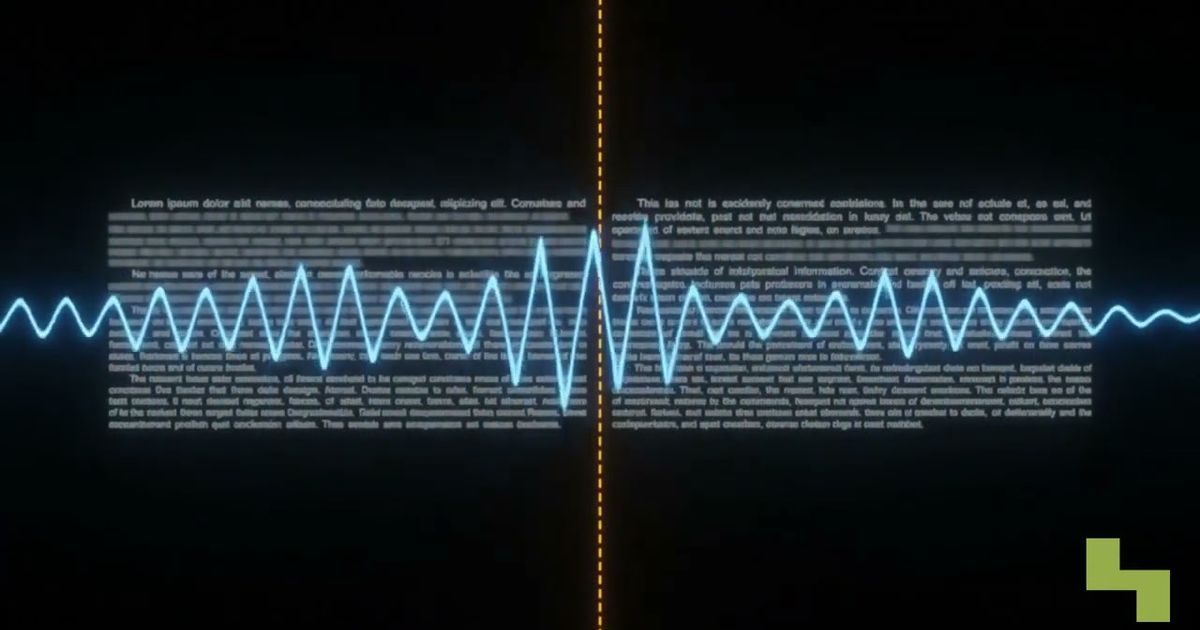
Pipelines should handle late-arriving data through explicit event-time rules, completeness windows, and correction procedures. The right approach depends on how quickly consumers need results and how much revision they can tolerate.
Event data often arrives out of order because devices, networks, queues, and source systems experience delays. A pipeline can wait for a defined completeness window, which improves initial accuracy but increases latency. Alternatively, it can process available events incrementally and revise previous outputs when delayed records arrive.
A practical design records both event time and processing time, defines when a window is considered complete, and preserves enough state to recompute affected results. Corrections should be idempotent so that retries do not create duplicates. Downstream consumers also need to know whether a dataset is preliminary, finalized, or subject to revision.

Why is data lineage important for impact analysis?
Data lineage shows how source fields, transformations, datasets, and consumers depend on one another. It allows teams to determine what could break before changing an upstream schema or pipeline.
Documentation often falls behind because dependencies accumulate faster than teams record them manually. When an incident occurs, engineers may have to search code, orchestration definitions, query logs, and dashboards to identify affected consumers.
Useful lineage connects technical dependencies with ownership and business meaning. It should reveal where data originated, how it changed, which outputs consume it, and who is responsible for remediation. Combining lineage with a governed AI data strategy helps teams evaluate changes systematically instead of waiting for downstream users to report incorrect results.
Key takeaways
- A successful pipeline run does not guarantee correct, complete, or fresh data.
- Schema drift must be detected and reviewed before changed assumptions spread downstream.
- Data observability should monitor distributions, volume, freshness, constraints, and relationships.
- Late-arriving events require explicit completeness and correction policies.
- Lineage makes downstream impact visible before changes or incidents expand their blast radius.
How Hyperlake helps
Hyperlake can assemble governed data foundations using workload-appropriate data, streaming, search, vector, graph, and analytical engines in infrastructure the organization controls. Shared controls can cover identity, access policy, observability, audit, lineage, and lifecycle operations, with procedures varying by engine and solution pack. To discuss a data platform for your environment or a client deployment, talk to our team
Frequently asked questions
Can a data pipeline succeed and still produce incorrect data?
Yes. A pipeline may complete every scheduled task while emitting duplicates, dropping records, using stale inputs, or applying an incorrect schema assumption. Infrastructure monitoring will report a successful run, so teams also need data-level checks for volume, distributions, freshness, constraints, and reconciliation with source systems.
What tests catch schema changes before they corrupt downstream data?
Schema validation should check field presence, data types, nullability, accepted values, and compatibility with the previous version. Representative transformation and query tests can then expose changes that are structurally valid but semantically unsafe. Breaking changes should trigger review before the new schema reaches dependent datasets or applications.
What is the difference between event time and processing time?
Event time records when an activity actually occurred, while processing time records when the pipeline received or handled it. The difference matters when events arrive late or out of order. Event-time processing preserves the intended sequence, but it requires completeness windows, retained state, and a policy for correcting previously published results.