A metastore is a central catalog that describes data tables: their names, schemas, file locations, formats, partitions and access rules. You register that information once, and compatible query engines, governance services, applications and AI agents can then discover and read shared data without anyone configuring each consumer separately.
A bucket full of Parquet files isn't a data platform.
Object storage holds files, and files don't carry the consistent definitions and controls you need to treat them as reliable tables. The metastore is where those definitions live.
How does a metastore support governed AI access?
Picture an agent about to touch your data. It needs three answers first: what exists, how it's structured, and whether it's allowed to use it. The metastore is the discovery layer that answers all three. With accurate metadata, agents and retrieval systems pick sensible sources and don't guess from file names or undocumented paths.
A governed flow usually runs in order. The table is registered, then the user or workload authenticates. A policy check decides whether that identity can reach the requested table, and the query or data access layer enforces the decision and records what happened.
You notice when this goes wrong. A bad schema makes tools write invalid queries, and a stale table description sends an agent to the wrong source. Missing or inconsistent access controls can expose data beyond what the agent was meant to do.
For AI that queries shared analytical tables, a well-kept metastore can support discovery, but it is not sufficient for reliable grounding. Other grounding architectures may use document indexes, APIs or databases without a table metastore. Reliable systems also need reviewed semantics, data quality, lineage, identity-aware enforcement and limits on the tools and actions agents can use.

How do Hive Metastore and modern catalogs differ?
Hive Metastore wrote the template. It was built for Apache Hive and ended up a de facto compatibility standard: databases, tables, columns, types, storage locations and partition metadata make up a baseline that many analytical engines understand. A lot of the open analytics ecosystem still recognizes its metadata model.
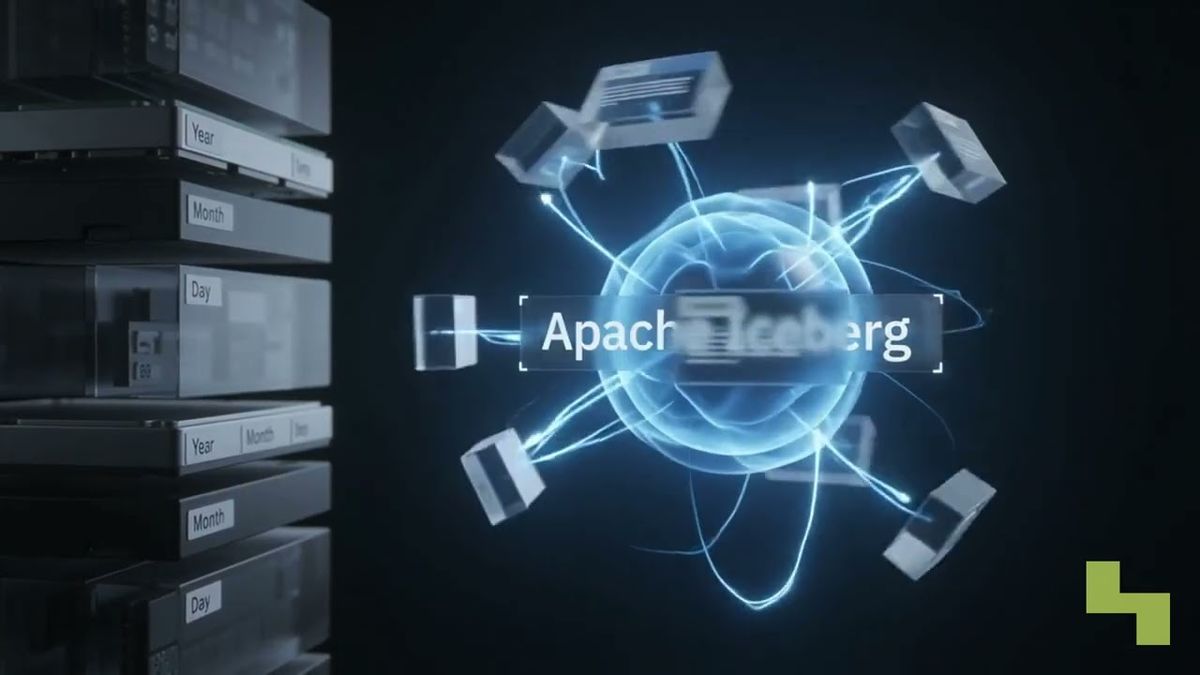
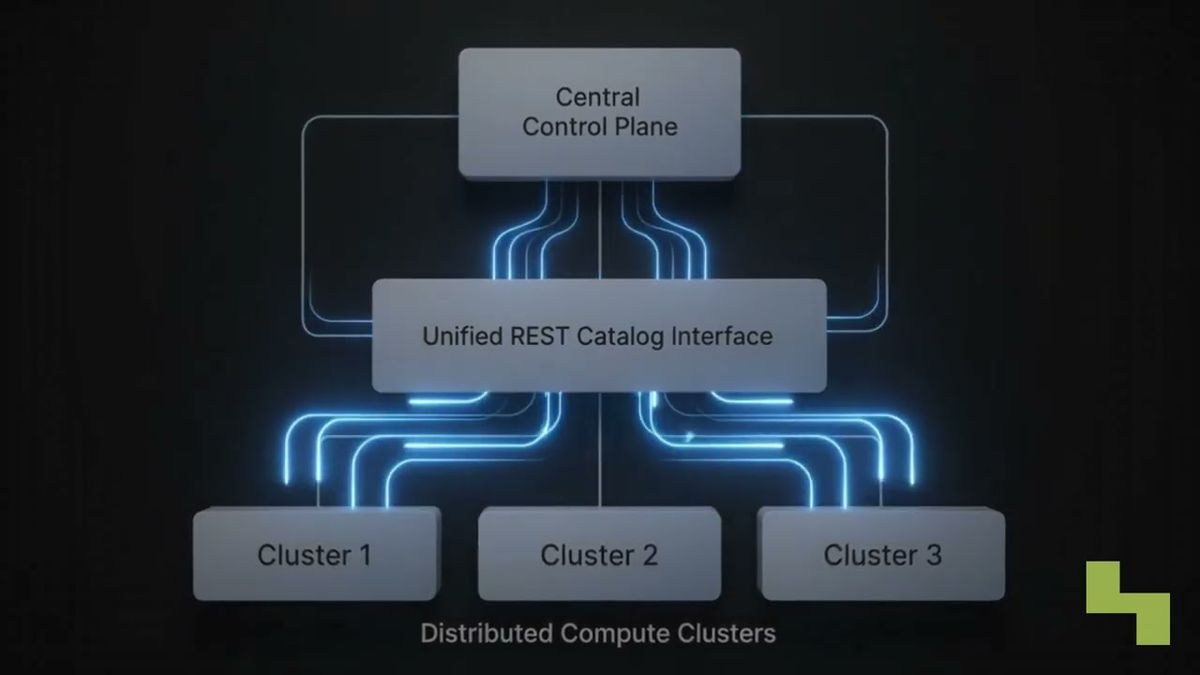
Modern catalogs keep the central-catalog idea and stretch it to table formats, multi-engine access and governance across distributed deployments. They arrived with open table formats and lakehouse architectures. Apache Polaris, for example, offers a REST-based catalog that supports the Apache Iceberg catalog specification, so compatible engines can share one catalog across deployments. Catalog services can also make governance decisions centrally, so each engine doesn't have to implement policy itself.
Which is right for you? That depends on your table format, which engines you need, how you deploy and what governance demands. If you're weighing the newer options, read how open metadata catalogs such as Apache Polaris differ from legacy metastore designs.

Why do data platforms need a central metastore?
Think about changing one schema. Without a metastore, that means visiting every engine and application that reads the data, and the same goes for a storage migration or a partition update. Duplicated definitions drift apart; two consumers read the same files differently, and you get inconsistent results or plain failures.
A central metastore ends that. Each table has one authoritative description, and compatible engines check a single registration point instead of being configured by hand with file paths, formats, partitions and schemas.
It won't replace schema management, data quality controls or secure storage, but it hands all of them a shared reference point. That counts most in a data lakehouse architecture, where several engines may read the same object storage.
What metadata does a metastore contain?
Metadata only. It's a metadata store, not a data store: the rows and files themselves usually stay in object storage or another data system, and the metastore keeps the technical and governance details needed to find, read and manage them.
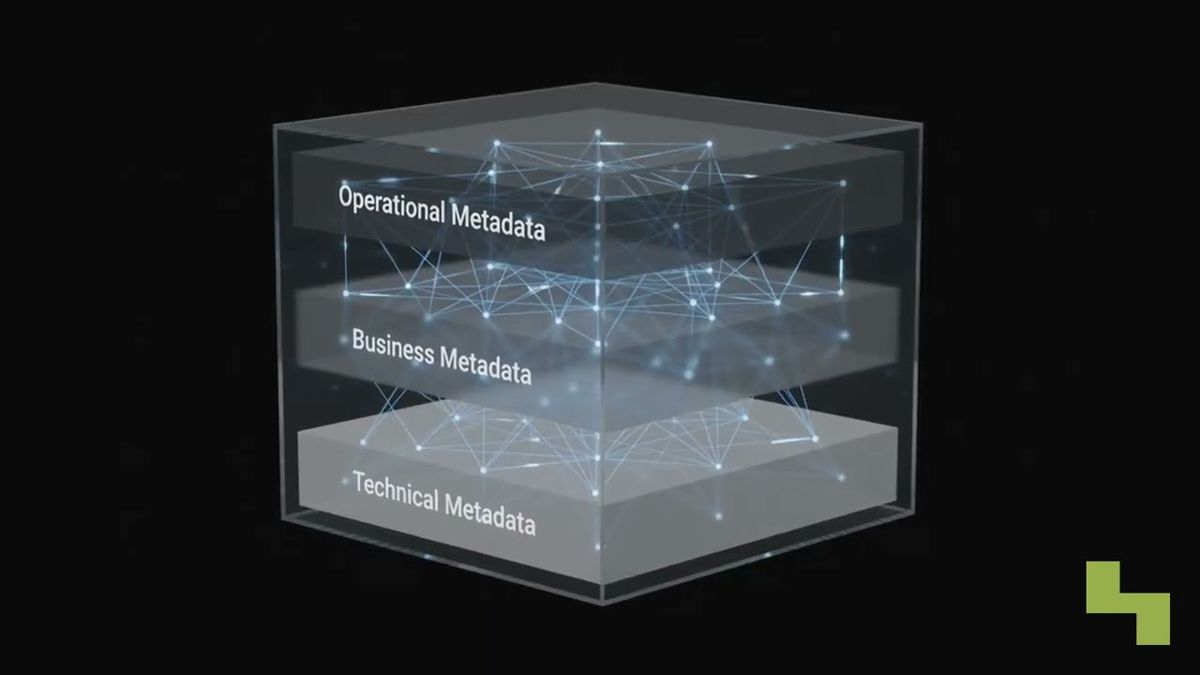
You'll find namespaces and table names (the databases, schemas or logical groups people browse to find a table), plus column definitions covering names, data types, order and other schema information. Storage locations and formats tell engines where the files are and how to read them. Partition metadata describes how data is split so engines can skip files they don't need. Access information, like policies, ownership or references, decides who can see or use a table.
Fill those in and a pile of loose files turns into named, structured tables. SQL engines can plan queries against them, governance tools can apply controls, and applications can see which datasets exist.
How Hyperlake helps
Hyperlake lets teams assemble governed data foundations with object storage, Iceberg, a suitable query engine, and operational, vector, graph, search or streaming services as the workload requires. People and agents reach integrated data services through authenticated identities, policy decisions, enforcement and logging, not shared database credentials. To discuss the catalog, engines and governance model for your environment, talk to our team.
Frequently asked questions
Is a metastore the same as a database?
No, they do different jobs. A database stores and manages data. A metastore mostly stores metadata about datasets or tables. In a lakehouse the data can stay as files in object storage, while the metastore records the schema, table name, file location, partitions and whatever else is needed to query those files correctly.
Can multiple query engines use the same metastore?
Yes, provided each engine is compatible with the catalog interface, table format and metadata model. Sharing one means different engines resolve the same table definitions instead of each keeping its own configuration. Still test it, since engines can differ in supported data types, table-format features and access-control behavior.
Does a metastore guarantee that AI agents use correct data?
No. A metastore makes approved data discoverable and supplies schemas and locations, but it can't make an agent choose the right source or understand what the data means to the business. Reliable grounding also takes accurate data, reviewed semantics, identity-aware authorization, lineage, evaluation and limits on tool access and consequential actions.