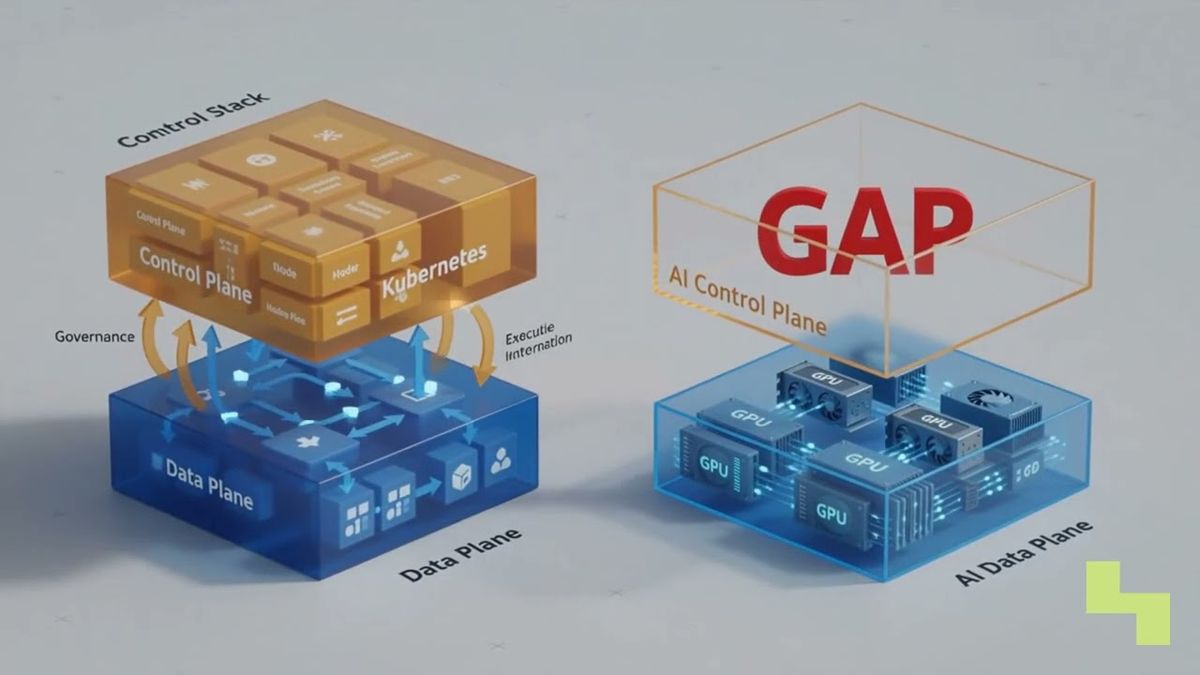
An agentic control plane is the infrastructure layer that orchestrates, monitors and governs AI agents across an enterprise. It routes work, limits access to data and tools, checks outputs before they spread and records multi-agent execution chains, so operators can audit decisions, recover from failures and keep automated work accountable.
One agent doing one task doesn't need much of this. Hundreds of agents working across systems, permission levels and dependent workflows do. That jump is where teams tend to discover their AI governance has been running on good intentions.
How does an agentic control plane govern access?
Our view: permissions should follow the task, never the app.
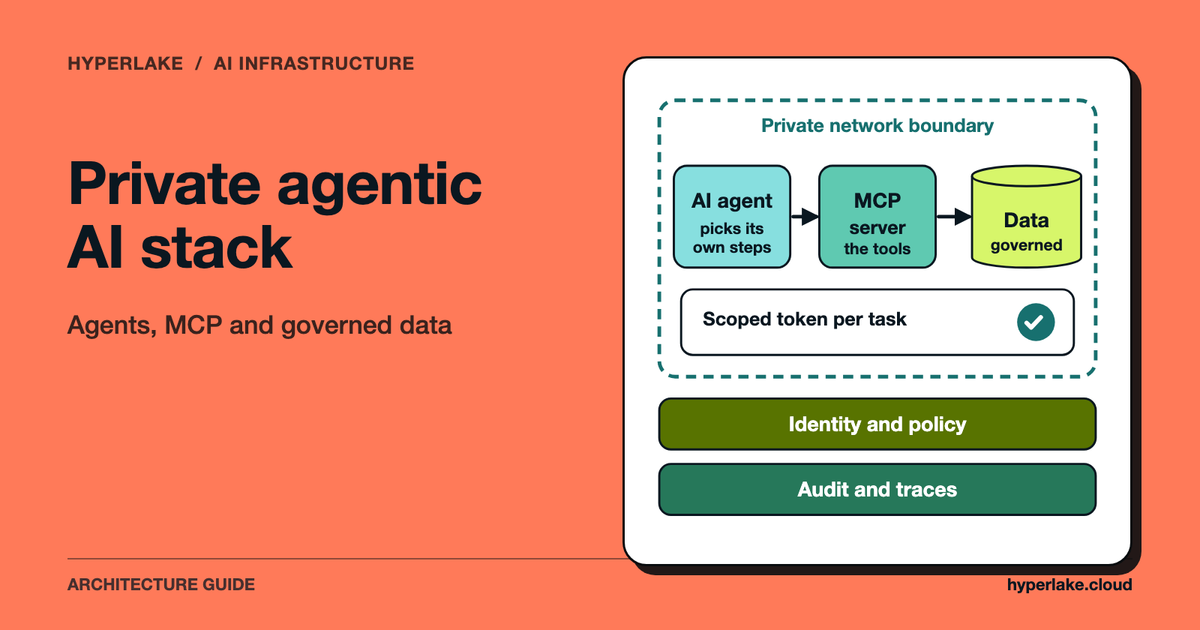
Picture an agent whose application can reach many systems while its current task touches exactly one. Its permissions shouldn't swell just because the application or operator behind it can reach more. The control plane issues scoped, time-limited access instead, sized to the work at hand.
Identity and authorization therefore have to ride along with each workload, step after step. The control plane identifies the agent or workload, checks the requested action against policy, issues or exposes only the credentials needed, and logs the access. A downstream agent gets its own scope, fitted to its own task; it doesn't automatically take on the permissions of whichever agent called it.
What tends to work:
- Workload identities for individual agents or services.
- Short-lived credentials and scoped secrets.
- Policies covering data, tools, actions and environments.
- Network boundaries on which systems can be reached.
- Logs of which identity touched which resource, and why.
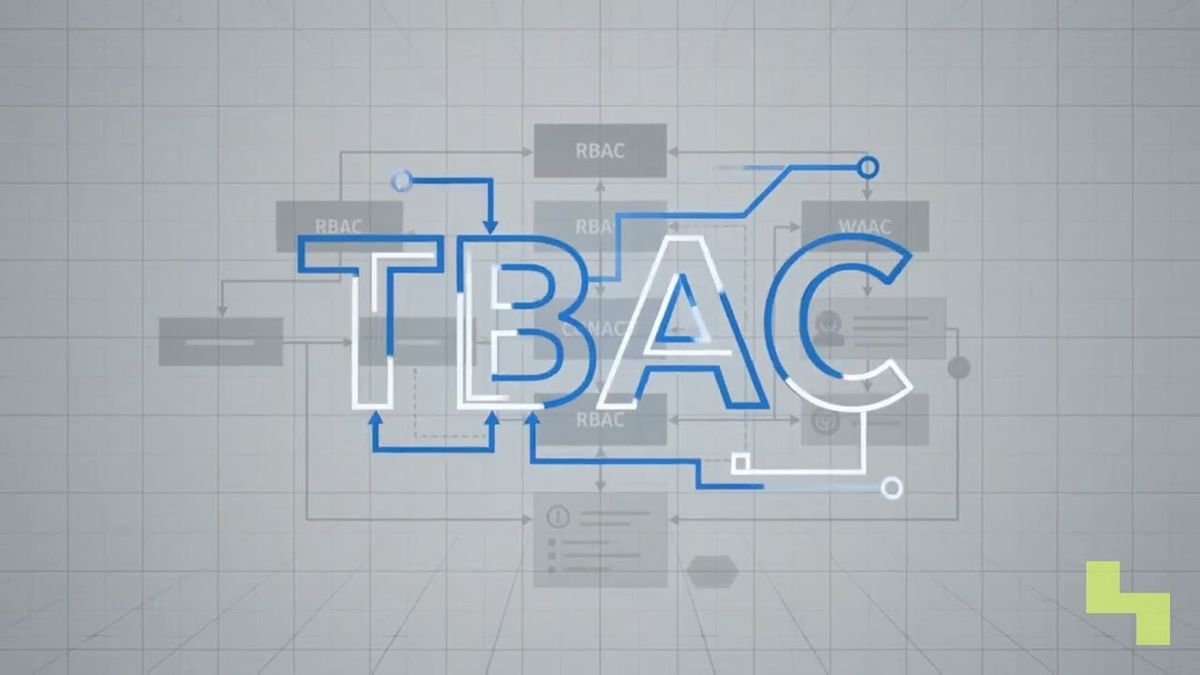
This ties closely to task-based access control for AI agents, where authorization reflects the current task and not only a static role. The aim is least-privilege execution at every step of a workflow that keeps changing.
What does an AI agent control plane do?
Think of it as the shared oversight layer. It coordinates how agents receive work, spend resources, talk to one another and stay inside enterprise policy, so each agent application doesn't have to invent its own governance.
The job list is short. Hand out tasks by agent capability, available context and current load: that's orchestration. Keep every agent to the systems, data and tools its task needs right now: access governance. Evaluate outputs before another agent consumes them or a consequential action fires: quality control. Record the execution chain so operators can reconstruct what happened: observability. And set limits through rate limits, cost boundaries, retries and escalation to humans, which is operational control.
It exists because of dependency. In a multi-agent system, one wrong result, one wrong tool call or one over-permissioned agent can spread damage through every later step. The control plane puts a fence around that spread.
How does orchestration coordinate multi-agent workflows?
Who gets the task? What runs next? And what happens when step three falls over?
Orchestration answers all three. It sends each task to a suitable agent and manages the sequence across the whole execution chain: handoffs, retries, validation, failure recovery.
A typical flow starts when the system receives a task and captures the request, the relevant context, the constraints and the outcome expected. Routing then picks an agent, weighing capability, context and load so that every request doesn't land on the same one. After that comes chain management. One agent's output can become another's input, so the control plane sequences the dependencies and checks outputs against the required thresholds. If a step fails, defined policies decide whether it's retried, redirected, stopped or handed to a human.
Quality gates matter most downstream. Finishing a call isn't a reason for an output to move on. Validation can mean format checks, policy checks, grounding requirements, task-specific evaluation, or human approval before a consequential action.

What observability and operational controls are required?
Something goes wrong three agents deep. What did each one read, decide, write and call?
Agentic observability captures that, plus the context linking those actions, so operators can rebuild the full chain behind an outcome, downstream agents and external tool use included. Keep task identifiers, agent identities, references to inputs and outputs, policy decisions, tool calls, retries, failures, approvals and timestamps. Sensitive inputs don't always belong in logs directly, but you still want traceable references and evidence of how a decision moved along.
Operational controls build on that visibility. Rate limits protect shared services from runaway activity. Spending limits and usage attribution show what each workflow consumes, and AI cost observability gets more important when one user request can set off many model calls, searches, agent handoffs and background jobs.
Last comes the human boundary. For uncertain, failed or consequential actions, the control plane can pause a workflow, keep its context and route it for review, so automation doesn't simply keep going unchecked. Audit trails, resource controls and escalation paths together are what make agent behavior visible and manageable.

How Hyperlake helps
Hyperlake lets teams assemble and run agentic environments with model serving, data engines, agent execution, secrets, observability and lifecycle management in infrastructure they or their clients control. Governed access can use OAuth/OIDC sign-in, validated JWT identity, network boundaries and OPA policy checks at integrated access points; specific integrations and procedures depend on the deployment. To discuss what your agentic control plane needs, talk to our team.
Frequently asked questions
Can a workflow orchestrator serve as an agentic control plane?
Partly. A workflow orchestrator covers sequencing, retries, dependencies and failure recovery, which is one slice of an agentic control plane. Enterprise deployments also need workload identity, task-scoped authorization, output quality controls, auditability, rate limits, cost governance and human escalation. Teams either extend an existing orchestrator or pair it with those layers.
How are agent outputs checked before reaching another agent?
Through validation gates, which the control plane places between workflow steps. Depending on the task, a gate may check structure, required evidence, policy compliance, grounding, evaluation criteria or approval status. A failed output doesn't get passed along. The workflow can retry, route to another agent, stop, or escalate to a human.
Does every enterprise AI agent need its own identity?
Yes, in practice: each independently operating agent or workload should trace back to a specific identity, even when several run inside one application. Separate identities mean you can assign different permissions, trace actions and revoke access without disturbing unrelated services. How finely to slice them is a call you make from the architecture and the risk of the tasks.
Why are cost controls part of an agentic control plane?
Because a single agent request can kick off several model calls, data searches, tool invocations, retries and downstream agents, and left alone that chain can keep consuming resources long after the original request. Rate limits, spending boundaries, usage attribution and escalation rules give operators a way to rein that chain in, and to see which agents or workflows are driving infrastructure consumption.