AI cost observability is request-level tracing and control that shows where your model spend comes from, why it moves, and whether it buys anything useful for the business. It keeps a running record of model usage, tokens, latency, results, calculated cost and attribution metadata, so you can investigate and rein in spending well before the monthly invoice lands.
The invoice is a lousy instrument. It hands you one total after usage has piled up across dozens of features, workflows and teams. Engineers need evidence that ties a jump in spend to specific activity while that activity is still going on and something can still be done about it.
What data does AI cost observability require?
One record for every model request.
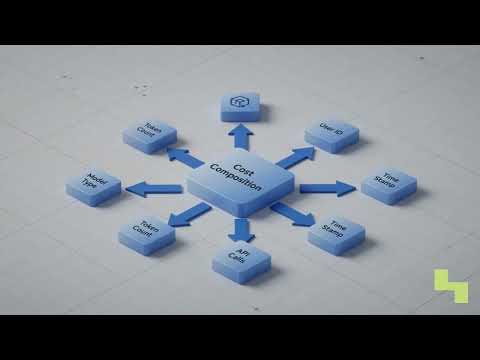
Everything else in AI cost tracking sits on that foundation. Each record says what the request consumed, what it returned, what it cost and who in the organization it belongs to. At a minimum it holds:
- Model and provider.
- Input and output tokens.
- Latency, and whether the request succeeded or failed.
- Estimated cost, calculated from current provider pricing.
- Attribution metadata: the feature, workflow, application, customer or team responsible.
Add request or trace identifiers and you can link a record to an agent run, an evaluation session, a user interaction or a wider application workflow. Keep your pricing references current, too; stale rates make calculated costs useless for operational decisions.
Skip request-level capture and you're left with aggregate spend and no way to explain it. A total tells you costs went up. It can't tell you whether a new feature, a longer prompt, an extra agent step or a different model did it.

Where should AI cost observability be implemented?
Gateway, application stack, or both? We'd use both layers wherever we could.
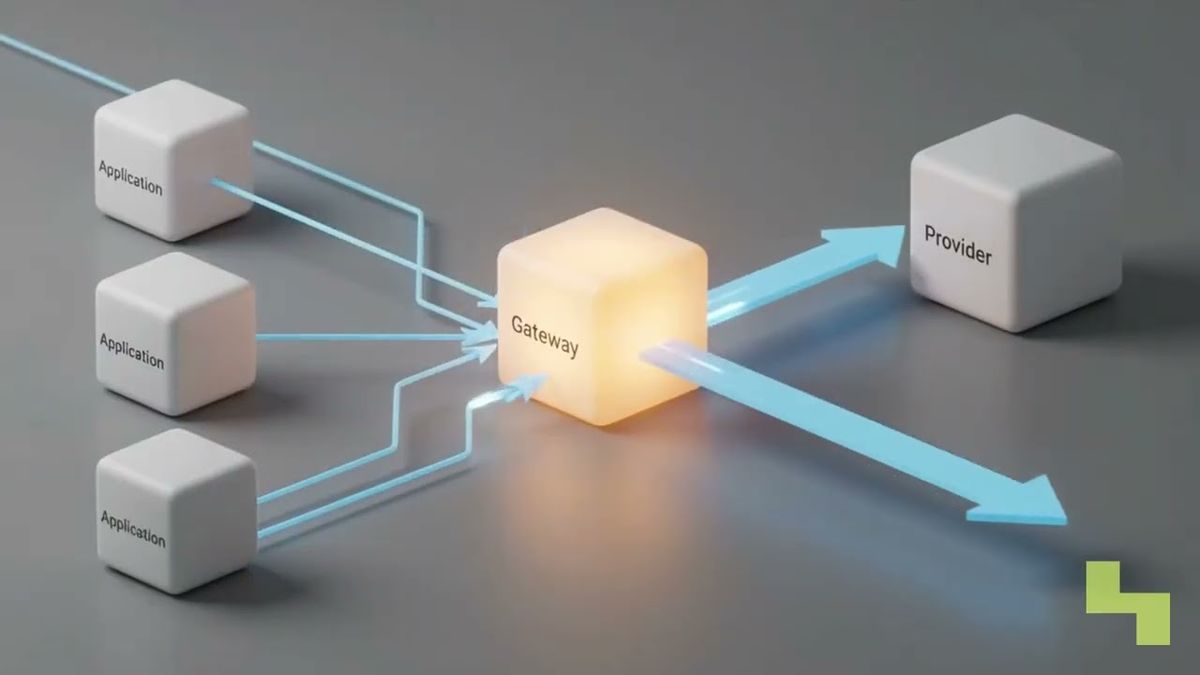
A gateway sits in front of the model provider and intercepts every request. It captures usage in real time and can enforce limits: reject a request, or route it somewhere else, when a budget threshold is about to be crossed. Gateway tools are best at capturing each request right away and enforcing budgets.
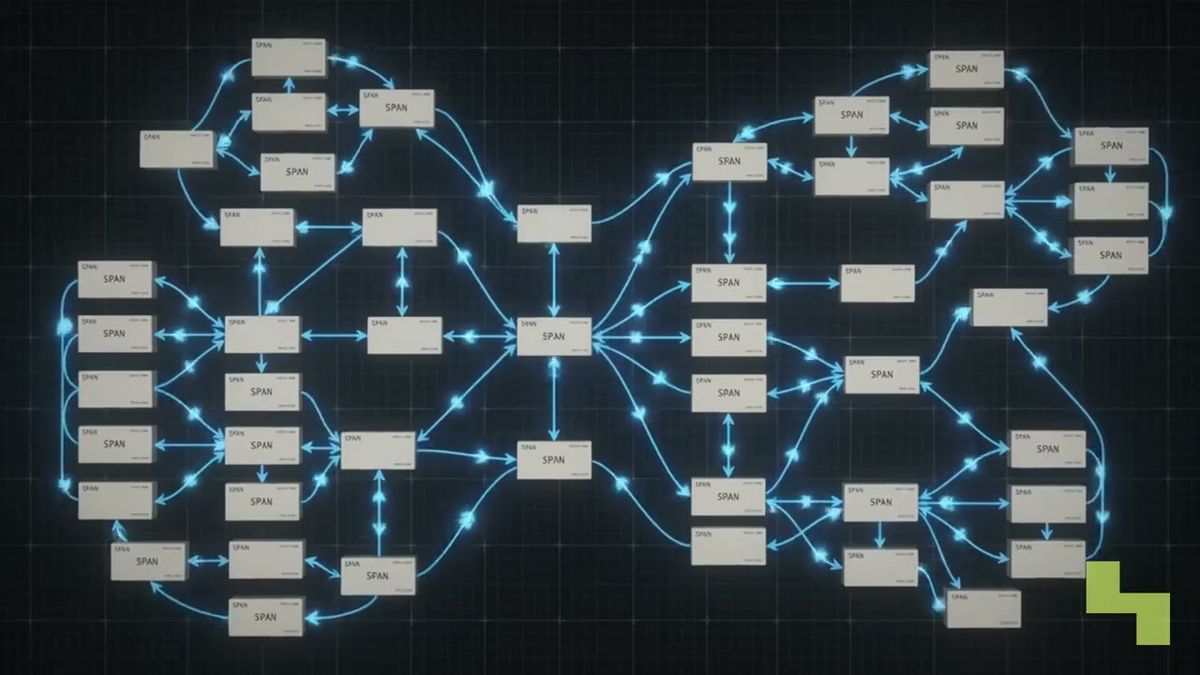
Instrumenting the application brings richer product and workflow context. The observability layer instruments applications, evaluations, agents and user interactions, and follows model calls through whole workflows. That's how you learn what an agent run or a product outcome really costs, instead of treating every API request as its own event.
Shared trace identifiers and attribution metadata let you match gateway records to the application behavior that produced them, and then enforcement and explanation connect.
Agents make this more pressing. One user request can set off several model calls, searches, tool executions or retries.
How is AI spend monitoring different from observability?
Say an alert fires because daily spend crossed a threshold. That's monitoring. Now you open the alert and find a prompt revision, a newly deployed workflow or an upstream data change behind it. That's observability.
Monitoring checks whether spending stays inside the lines you drew. Observability gives you trace-level evidence for why it changed and what caused it. You want both: one flags what needs attention, the other hands you what you need to investigate, optimize or fix it.
There's a bonus. Keep that evidence and it also feeds broader AI audit and control reviews, because it connects system activity to owners, outcomes and operational decisions. Good AI cost reporting tends to fall out of the same records.

Which AI cost metric best reflects business value?
Cost per unit of business output, in most cases. It ties technical consumption to a finished result, such as cost per successful user session, per resolved support ticket or per processed document, and it's often the most useful derived metric.
Compare it with token cost, which answers a narrow question: how much did this single request consume? Cost per outcome asks the better one. Did the whole set of requests, retries, retrieval steps and tool calls produce something valuable?
Two rules. Define each outcome clearly, and count the failed attempts. Leave them out and a workflow can look cheap while it quietly retries and fails.
Once your outcome definitions settle, compare prompt designs, model routes and workflow versions on cost and effectiveness together. Stop optimizing token use on its own. That's where AI spend visibility starts paying for itself.
How Hyperlake helps
Hyperlake provides shared observability and lifecycle controls for models, applications, data services and agent workloads deployed in infrastructure the customer controls. Teams can inspect infrastructure usage and cost, right-size CPU and GPU capacity, and let eligible inference endpoints scale down when idle. The exact procedures and behavior depend on the engine, workload and deployment. To talk through the operating model for your AI workloads, talk to our team.
Frequently asked questions
How accurately can token usage predict the final LLM invoice?
Well enough for operations, though not to the cent. Token counts plus current provider pricing give a useful cost estimate per request, as long as you apply the right model's input and output rates and keep pricing references updated. The provider's invoice remains the authority, because billing rules, discounts and other charge types can differ.
Does every AI request need a unique trace identifier?
It's very useful. The identifier is what connects model consumption to the workflow that caused it. For multi-step agents, a single identifier can tie several model calls, retrieval operations, retries and tool executions to one user interaction or business outcome. Go without it and you can still measure spend, but explaining it gets hard.
Can AI cost observability enforce budgets in real time?
Gateway-layer tools can. They evaluate requests before sending them to a provider and apply the budget controls you've defined, which, depending on the implementation, may mean rejecting a request or routing it differently when a threshold would be exceeded. Application-level observability adds the context: which user, feature, agent run and outcome sat behind that decision.
How should teams attribute costs from shared AI agents?
Attach attribution metadata when the agent run starts, and pass it to every downstream model request. Useful dimensions include application, workflow, team, customer, and the initiating user or workload identity. If propagation is consistent, shared infrastructure won't collapse everything into one unexplained total.