Agent grounding is the practice of connecting an AI agent to accurate, current, and contextually relevant enterprise information before it reasons or acts. It bridges the gap between knowledge encoded during model training and the live data, systems, policies, and business context needed to answer or act usefully.
Without grounding, a capable model can produce fluent but outdated, irrelevant, or confidently incorrect responses. That turns an apparently helpful agent into a source of operational risk, especially when it handles customer information or business decisions. The video above walks through why this discipline matters.
What is agent grounding?
Agent grounding gives a model access to information beyond what its trained weights contain. It supplies the enterprise-specific evidence and current state that the model needs for a particular request.
At query time, an agent might retrieve account records, product documentation, approved policies, operational data, or prior workflow state. It can then use that context to formulate an answer, decide what to do next, or determine that it lacks sufficient information.
Grounding commonly takes three forms:
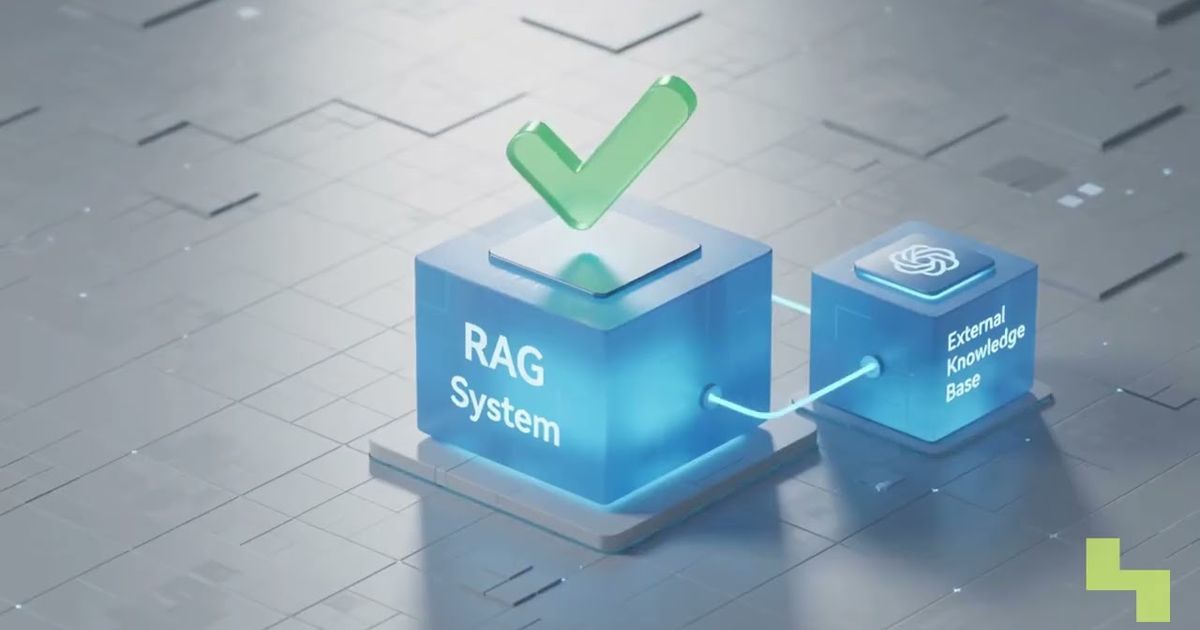
- Retrieval-augmented generation: The agent searches document stores, databases, or knowledge bases and places relevant results in the model’s context window.
- Tool use: The agent calls APIs, calendars, databases, search services, or code execution environments to obtain live information or perform permitted work.
- Fine-tuning: The model is adapted to a domain’s language, patterns, formats, or recurring tasks.
Grounding does not guarantee correctness. It makes the agent’s inputs more relevant and verifiable, while governance determines which information and actions are allowed.
How does agent grounding differ from fine-tuning?
Grounding supplies current external context, while fine-tuning changes a model’s internal weights. The two techniques solve different problems and can be used together.
Fine-tuning can help a model follow domain-specific terminology, response patterns, or task conventions. However, it does not continuously update the model with a customer’s latest account status, a newly revised policy, or the current state of an operational system.
Grounding addresses that limitation by retrieving information when the agent needs it:
- Fine-tuning teaches patterns that remain useful across requests.
- Retrieval supplies relevant documents or records at query time.
- Tool calls read current state from live systems and can execute approved actions.
- Governance constrains which sources and operations the agent may use.
A specialized model can therefore still require grounding. Training it on historical policy language may improve comprehension, but the agent should retrieve the currently approved policy before answering a policy-dependent question.

How do retrieval and tools keep agents current?
Retrieval gives agents relevant evidence to reason over, while tools let them inspect or change live systems. Together, they reduce reliance on information stored in model weights alone.
Retrieval-augmented generation typically searches documents, structured databases, vector indexes, or knowledge bases. The system selects relevant results and adds them to the context window, allowing the model to answer from material associated with the current request.
Tool use extends grounding beyond reading text. An agent can query an API for an account balance, check a calendar, inspect a database record, or run code in a controlled environment. Any action should remain limited by the requesting identity, applicable policy, and the agent’s assigned purpose.
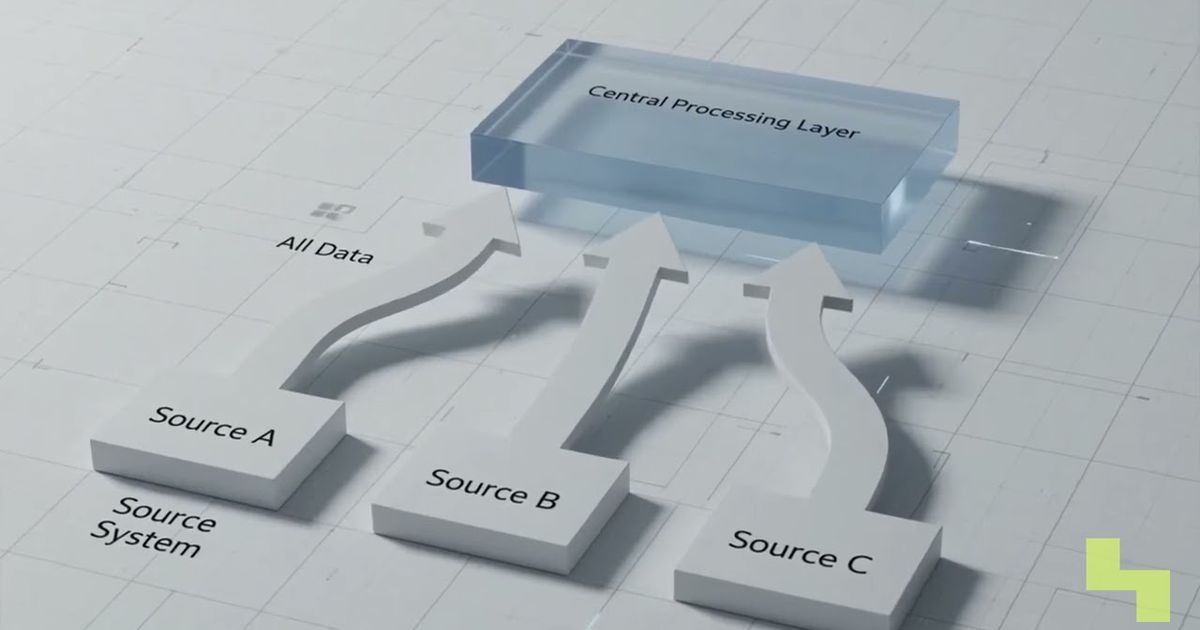
The quality of grounding depends on the quality of its sources. Teams need ownership, freshness rules, metadata, access controls, and traceability for the data agents consume. These concerns make AI data governance part of agent design rather than a separate compliance exercise.
How should enterprises ground agents safely?
Enterprises should combine grounding with identity, authorization, source controls, and auditability. Access to accurate information is useful only when the agent receives the right information for the right request.
A governed grounding flow usually follows four stages:
- Authenticate the request. Establish the identity of the person, service, or agent initiating the work.
- Authorize access. Evaluate which data, tools, records, and actions that identity may use in the current context.
- Retrieve approved context. Fetch relevant information from permitted sources and preserve evidence about where it came from.
- Answer or act with controls. Limit tool execution, record consequential activity, and require human approval where policy demands it.
These controls address an important failure mode: an ungrounded agent can sound confident even when its underlying information is wrong. The failure may be invisible in the wording because the model fluently returns what its weights suggest. For example, incorrect account guidance or a decision based on outdated policy can create liability even when the response appears polished.
Fine-grained rules can also account for user, resource, action, and environmental context. Attribute-based access control for data explains how those dimensions support more precise authorization than shared credentials or broad roles.

Key takeaways
- Agent grounding connects models to current, relevant enterprise information before they answer or act.
- Retrieval, tool use, and fine-tuning are complementary techniques, but fine-tuning does not provide live system state.
- Ungrounded agents can produce fluent, confidently incorrect answers that are difficult to detect from wording alone.
- Safe grounding requires identity, policy enforcement, approved sources, evidence, logging, and appropriate human review.
- Grounding often determines whether an enterprise agent creates useful outcomes or operational liability.
How Hyperlake helps
Hyperlake lets teams assemble private AI environments that ground open or custom models in governed structured data, documents, vector search, knowledge graphs, or ontologies. Its identity-to-data approach uses OAuth/OIDC sign-in, validated JWT identity, OPA policy decisions, and enforcement and logging at integrated access points. Teams can deploy these capabilities in infrastructure they or their clients control, subject to the selected engines and validated integrations; to discuss a grounding architecture, talk to our team.
Frequently asked questions
Can retrieval-augmented generation eliminate AI hallucinations?
Retrieval-augmented generation cannot guarantee that an agent will never produce an incorrect answer. It can reduce unsupported responses by supplying relevant evidence at query time, but results still depend on source quality, retrieval accuracy, model behavior, and application controls. Systems should retain citations or evidence where practical and define what happens when reliable context is unavailable.
Does every enterprise agent need access to real-time tools?
Not every agent needs real-time tools. An agent that summarizes a controlled document collection may only require retrieval, while one that checks account status or schedules work needs access to live systems. Tool permissions should be narrowly scoped to the agent’s purpose, the requesting identity, and the actions required for the workflow.
What enterprise information should be used to ground an AI agent?
An agent should use authoritative, relevant, and permitted information for its assigned task. Depending on the use case, that may include approved policies, customer records, product documents, operational databases, vector search results, or workflow state. Teams should define source ownership, freshness expectations, access rules, and evidence requirements before allowing the agent to rely on that information.