Most AI integrations work fine right up until you try to swap something out. AI interoperability is the ability of models, agents, tools and supporting systems from different vendors or frameworks to work together through shared protocols. You compose capabilities across standard interfaces instead of writing custom code for every pairing, and you can replace one component without rebuilding everything around it.
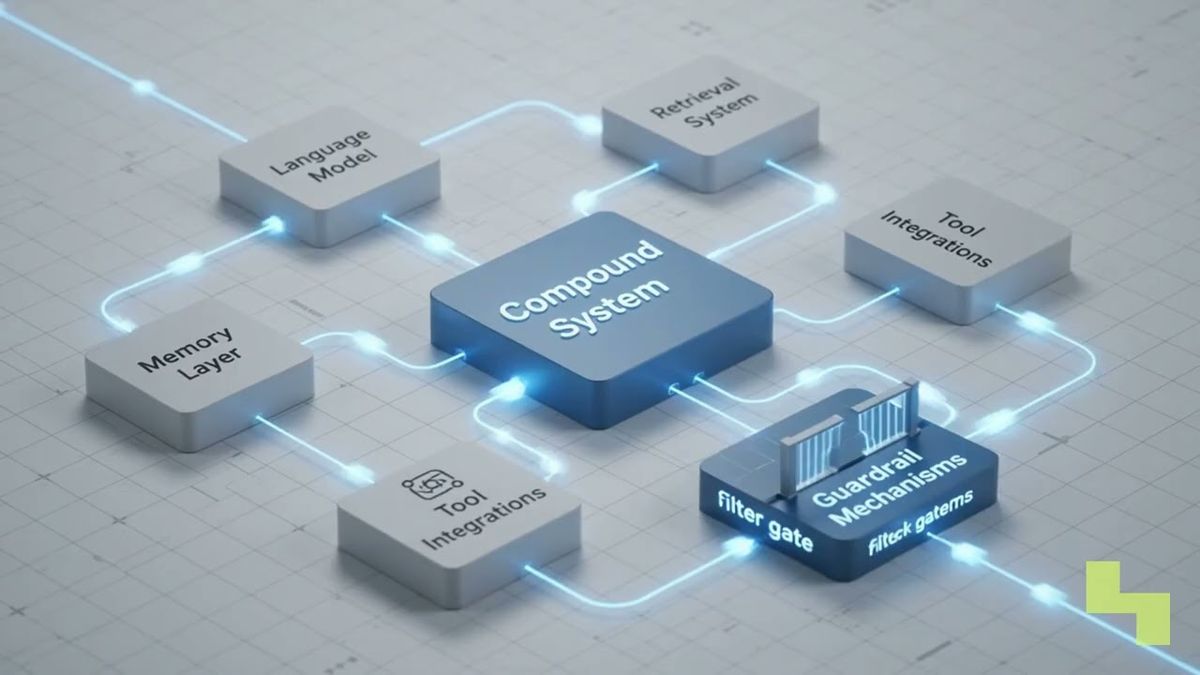
Production AI is a lot more than a model API. It leans on tools, data, identity, agent coordination and observability. Interoperability cuts the repeat engineering and keeps the door open to better parts as the ecosystem moves.
Why does AI interoperability break down?
Usually in the implementation, not the protocol. Two products can claim the same standard and still behave differently enough to open compatibility gaps or produce wrong results.
Three failure modes keep coming up. The first is proprietary extensions: a vendor adds required fields, methods or features that aren't in the open specification, and every other implementation has to copy them to stay compatible. The second is semantic differences. Two systems read the same protocol concept differently, so they connect technically while values, permissions or outputs mean different things on each side.
The third is the sneaky one: hidden vendor behavior. Undocumented defaults, retry rules, data transformations or lifecycle assumptions quietly become dependencies, and teams usually find them only when they try to replace a component.
Protocol compliance is necessary. It isn't enough. You also want conformance testing, explicit schemas, documented semantics and predictable error behavior, plus tests that really exercise swapping a component out. Testing the first integration tells you very little.
Which layers need AI agent and tool interoperability?
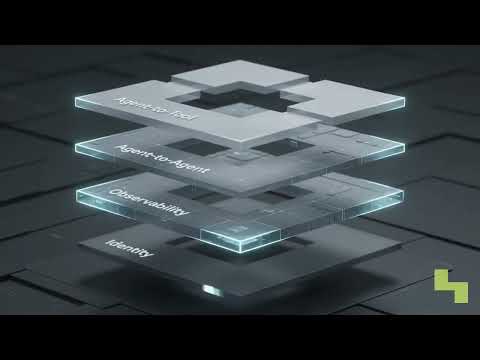
Several, since each kind of interaction carries different information and needs different controls. Four layers matter most.
- Agent-to-tool: Model Context Protocol (MCP) is a common way for agents to discover and invoke tools, resources and data services. MCP was placed under Linux Foundation governance in late 2025.
- Agent-to-agent: Agent2Agent Protocol (A2A), also under Linux Foundation governance, covers communication and coordination between agents across system or organizational boundaries.
- Observability: OpenTelemetry standardizes how traces, metrics and logs are captured and exported, so operational data can move between compatible tools.
- Identity: OAuth 2.1 defines modern authorization patterns that enterprise identity systems can federate into. In practice you pair identity protocols with application policies that decide what an authenticated person or workload may do.
They solve different problems and they fit together; none replaces another. An MCP connection still needs secure authentication, scoped authorization and observable execution (see MCP authentication and authorization for the security side).

What does AI interoperability mean in practice?
Components trade requests, responses, identity and operational data through documented interfaces, and those interfaces aren't tied to one vendor's stack. Swap a compatible component in, and you shouldn't have to rewrite every application that depends on it.
That's a higher bar than connectivity. Two systems can connect fine and still disagree about tool parameters, identity scopes, error handling or what returned data means. Lasting interoperability needs protocol compatibility and a shared reading of what the messages mean.
So what's the practical goal? A composable AI architecture. Agents reach tools and enterprise data. Agents built on different frameworks coordinate. Telemetry goes to whichever monitoring backend you pick, enterprise authentication and authorization apply everywhere, and any model, tool or service can be replaced without a redesign.
It also shrinks your dependence on proprietary integration paths, which is the core worry in preventing AI vendor lock-in.
How do you build durable AI interoperability?
Start from standard protocols, and judge each component by how well it complies. We think this has to be a design constraint from day one. Bolted on later, it turns into a migration fought against proprietary dependencies that have already piled up.
In an architecture review, find each boundary and name the standard that governs it. Then separate portable behavior from optional vendor extensions, write down the semantic assumptions, and test replacement candidates against realistic workflows.
Standards-first doesn't mean refusing vendor-specific features. Keep them optional and isolated, so they don't quietly become requirements for every connected component.
Do that, and as models, agent frameworks and infrastructure mature you can trade a compliant component for a better one without rebuilding the integrations around it.

How Hyperlake helps
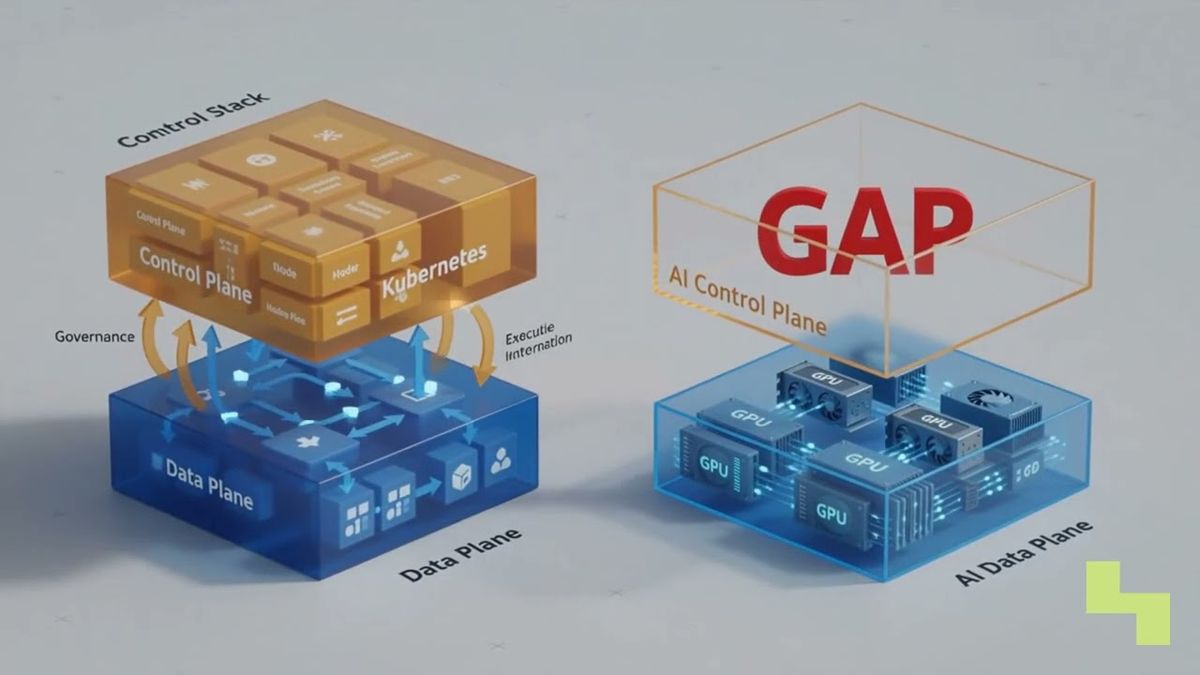
Hyperlake is the AI cloud for your team and your agents, on your cloud: a modular AI platform for putting data, models, applications and tools together in infrastructure the customer or their client controls. It's built on open technologies and Kubernetes, and supports reusable deployment patterns, governed identity-to-data access, observability and lifecycle operations. Specific integrations and automations depend on the deployment. To talk through an interoperable AI environment for your workloads, talk to our team.
Frequently asked questions
Is API compatibility the same as AI interoperability?
No, it's one piece of it. API compatibility shows that systems can swap correctly formatted requests and responses. AI interoperability also covers semantics, identity, authorization, observability, tool discovery and agent coordination. Two products can share an endpoint shape and still read permissions, errors or returned data differently, which makes them hard to substitute safely.
Can open protocols eliminate AI vendor lock-in?
They reduce it, because they create portable boundaries between components. They won't remove it alone. Proprietary extensions, undocumented defaults, unique data formats and inconsistent interpretations can still hide dependencies. Check real conformance, and test whether a component can be replaced without rewriting the systems around it.
Do MCP and A2A solve the same interoperability problem?
No, they cover different boundaries. MCP is about how agents connect to and invoke tools, resources and data services. A2A is about communication and coordination between agents. A production system may use both, next to standards for identity and observability.
How should teams evaluate an interoperable AI component?
Check which protocol version it supports, whether required behavior leans on proprietary extensions, and how it handles schemas, identity, errors and telemetry. Then run a realistic replacement test with another implementation. A working connection proves little. The substituted component has to keep the expected behavior and the policy enforcement.