FinOps for AI is the practice of attributing, governing and optimizing AI spending across models, features, workflows, teams and business outcomes. It takes cloud FinOps principles and applies them to token use, retrieval, tool calls and agent activity, so budget follows the value each AI use case actually produces. One click can hide a lot of spend.
An expensive model, a long context, a multi-step agent run, all behind a single button. Financial governance drags those hidden costs into view, and you should do it before you start optimizing workloads or carving up budgets.
Why isn't traditional cloud FinOps enough for AI?
Because the bill describes the wrong thing. Traditional cloud FinOps organizes spend around infrastructure resources, services, accounts and billing dimensions. AI consumption happens at the level of models and workflows, which infrastructure tags can't fully explain.
Picture an agent finishing a workflow. One user request may set off dozens of model calls, retrieval steps and tool invocations. On the invoice that can look like aggregated API usage or shared infrastructure, with no trace of the feature, task or session behind it.
Model choice is another moving part. Per-token prices differ across tiers and providers, so swapping a model version can change costs a lot while the application looks exactly the same. For models on owned infrastructure, you relate requests to accelerator utilization, shared capacity and idle time instead.
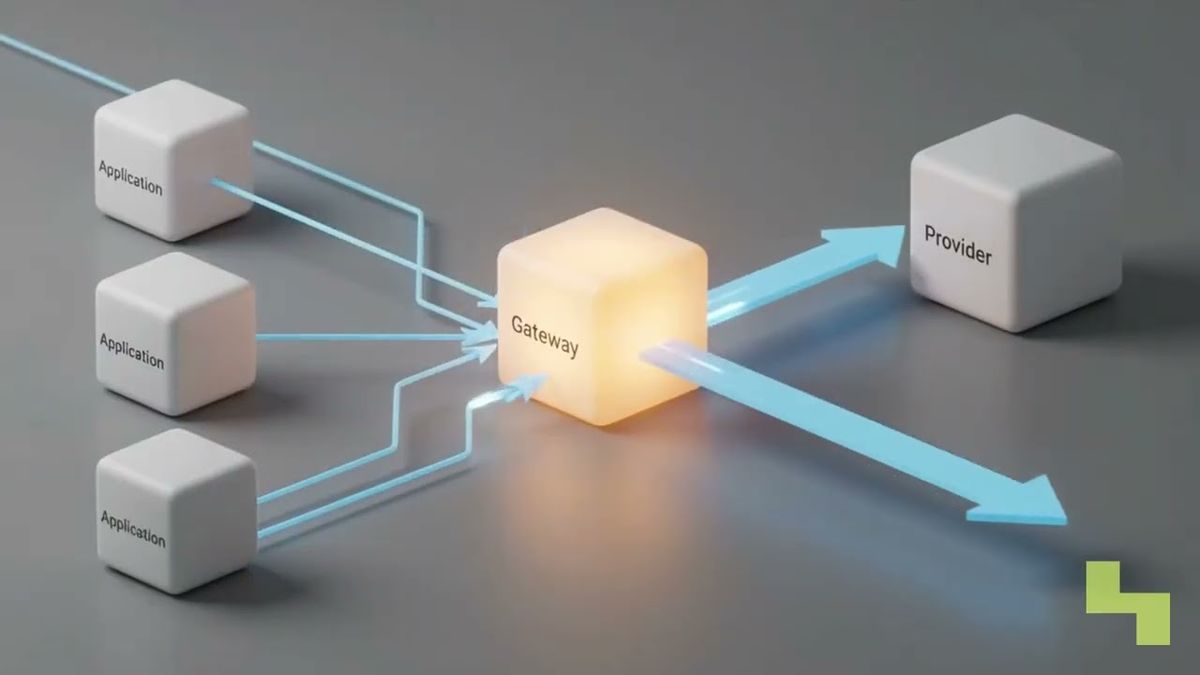
That's why we treat AI cost observability as the foundation. You need telemetry that follows a request through inference, retrieval, tools and application logic, carrying its business context all the way.

What is FinOps for AI?
Cloud FinOps, pointed at AI systems: visibility, accountability, showback, chargeback and optimization. The aim is to tie consumption to an owner, a business purpose and a result you can measure.
Cloud FinOps appeared because infrastructure billed by the hour or the gigabyte often came with no useful attribution. Before companies could manage cloud spending at enterprise scale, they had to work out which team owned each resource. FinOps for AI keeps that discipline, but the cost structure is different. A model call might use 50 tokens or 50,000, depending on the task, the context length and the model configuration. Applications can also rack up costs from retrieval, embeddings, tool calls, data processing, and the CPU or GPU capacity underneath.
A working AI FinOps program should be able to answer four questions. Who or what caused the cost? Which feature or workflow benefited? What business output did the money buy? And what happens next: more budget, a redesign, or shutting it down?
How should AI spending be attributed?
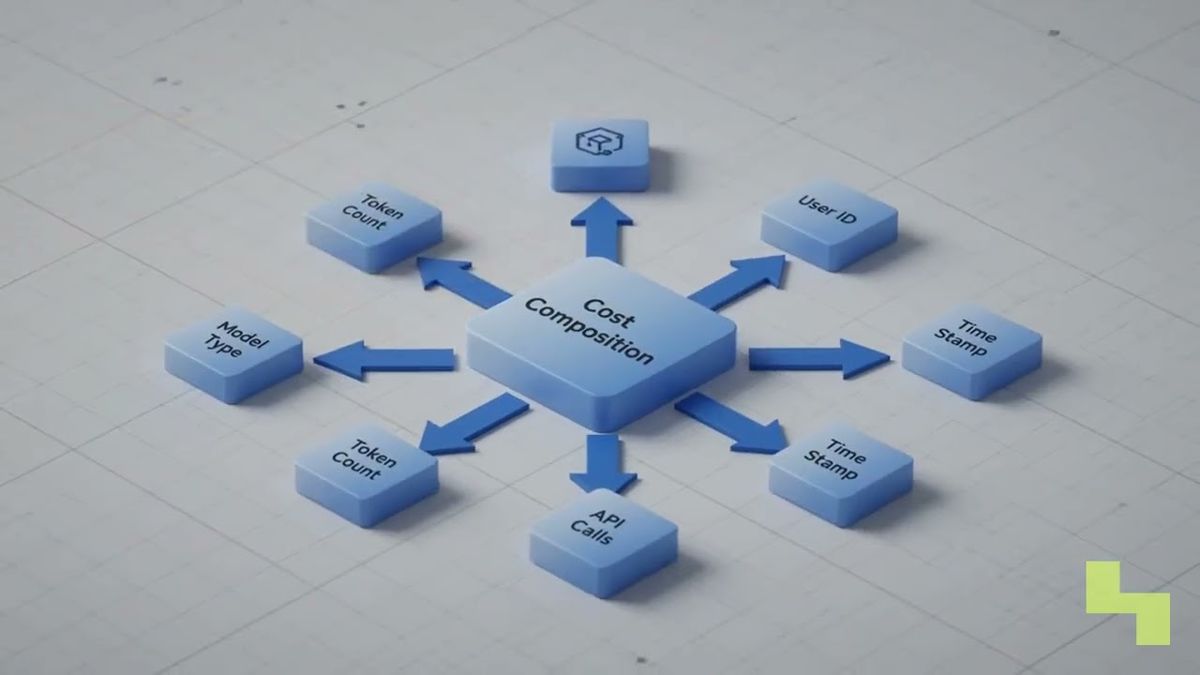
Link every token (or equivalent unit of consumption) to the most specific owner and purpose that's still useful. A team is the minimum. Mature setups also capture the feature, workflow and use case, and sometimes the user or session.
The fields worth capturing:
- Provider and model: which service, tier or deployed model handled the request.
- Feature and application, meaning what started the activity.
- Workflow and task, which group related calls into one multi-step process.
- Team and environment (development, testing or production).
- Business output: a conversation, a document, a completed task.
Add a shared request, trace or workflow identifier and model calls connect to retrieval and tool activity. That's what makes showback possible, where teams see their own consumption, and chargeback, where costs land on a department, product or client.
Without attribution, a bill is just a total. Optimizing against a total is guesswork.
How should teams optimize generative AI spend against business value?
Is each use case earning enough value to justify its total cost? That's the real question. Treat AI spending as a business resource you allocate, and don't cut it everywhere just because you can.
Cheaper isn't automatically better. A low-priced model that causes more retries, longer workflows or lower task completion has lost you money. An expensive one, on the other hand, may be overkill for bounded jobs like routing, extraction or classification. Look at model selection, context length, retrieval quality, caching, agent step counts, retries and infrastructure utilization.
Deployment changes the math, too. The economics of large language models differ between options: consumption-based APIs can suit intermittent demand, while sustained, well-utilized workloads can make owned capacity attractive. No universal threshold exists; it depends on the workload.
Measure cost and output together. Cost per successful task is usually more useful than cost per token, since it keeps spending tied to the result you needed.
What are the stages of AI FinOps maturity?
Crawl, walk, run. Each stage attributes spend more finely and pulls spending decisions closer to business outcomes.
Crawl means consolidating and reporting: put AI spending from every provider into one view and report total cost by team. That gives you a baseline and a picture of where consumption lives.
Walk means attributing workflows and outputs. Find the highest-cost use cases and measure cost per unit of output, such as a conversation, document or completed task.
Run means governing with evidence. Allocate budget by use case according to demonstrated return, optimize using attribution data, and catch anomalies automatically before they compound.
Our view: reliable telemetry beats dashboard detail every time. You'll also want a consistent definition of a successful business output, or similar workloads can't be compared fairly.

How Hyperlake helps
Hyperlake gives teams direct visibility into infrastructure usage and cost while they run data, models, applications and tools in infrastructure they control. Eligible inference endpoints can scale down when idle, and teams can right-size CPU and GPU capacity as workloads change. Actual economics depend on the workload and deployment. To discuss private AI infrastructure and workload-aware capacity, talk to our team.
Frequently asked questions
Should FinOps own AI spend governance?
We think FinOps should run the program, but it can't own every decision alone. Attribution puts each cost against a team, feature and workflow, so the teams generating the spend stay accountable for it. FinOps supplies the shared view, showback and chargeback, and budget calls rest on demonstrated return per use case.
What costs should an AI FinOps program track beyond tokens?
Plenty: model inference, embeddings, retrieval, tool calls, data processing, storage, networking, and the CPU or GPU infrastructure underneath. Connect them across the complete workflow, because a single user request may start many separately billed operations.
How can a company calculate cost per AI task?
Define one completed business unit first, such as a processed document, a resolved conversation or a finished agent task. Link every related model call, retrieval operation, tool and slice of infrastructure consumption through a shared workflow identifier. Then divide the attributed cost by the number of successfully completed units.
Is the least expensive model always the best FinOps choice?
Often it isn't. A lower-priced model can trigger retries, longer workflows or lower completion rates that push up the cost of each successful result. Weigh total workflow cost, reliability, latency and required output quality, and don't compare token prices in isolation.