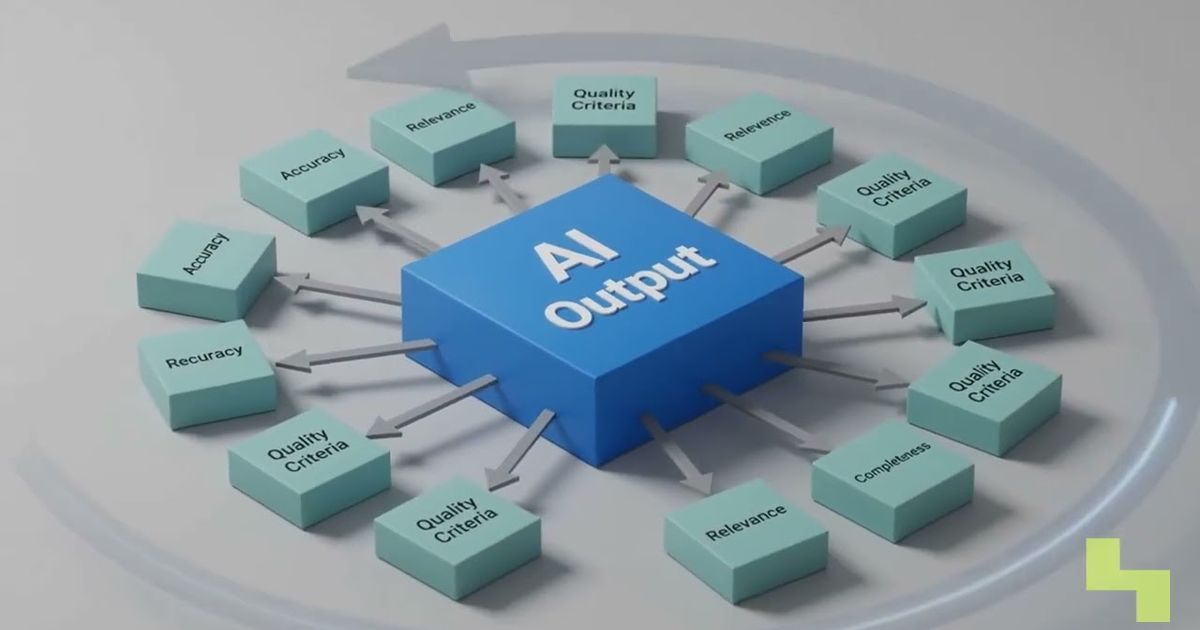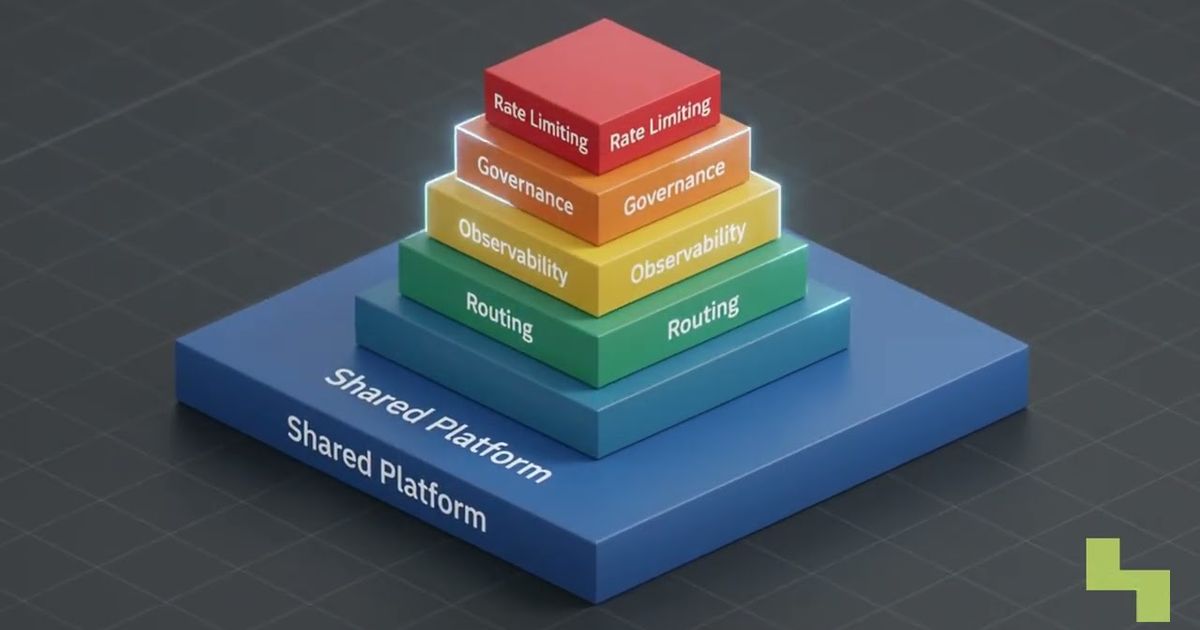
An AI governance framework is a continuous management system for directing how an enterprise designs, approves, deploys, monitors, changes, and retires AI systems. It assigns accountability, classifies risk, enforces policy through technical controls, preserves evidence, and periodically reviews every system in the portfolio—not only systems already facing regulatory scrutiny.
This matters because governance gaps often remain invisible until an incident, audit, or investigation exposes them. Effective governance connects executive accountability and written policy to everyday engineering, procurement, deployment, and operational decisions. The video above walks through the core ideas.
What is an AI governance framework?
An AI governance framework combines organizational structure, policies, decision rights, technical controls, oversight processes, and evidence. Unlike an annual compliance checklist, it operates throughout each AI system’s lifecycle and evolves as uses, risks, and legal obligations change.
The framework should cover conventional machine learning, generative AI, embedded vendor capabilities, and systems deployed independently by business units. Its scope extends from initial design and procurement through testing, production monitoring, material changes, incident response, and retirement.
Governance therefore applies to the whole AI portfolio. A system outside current regulatory scrutiny can still create security, privacy, operational, financial, or reputational harm. Maintaining a complete inventory and applying proportionate controls makes emerging risks visible before formal review becomes urgent.
Who should own enterprise AI governance?
A named executive should own the governance program, supported by a steering committee with defined decision rights and a clear escalation path. Legal, compliance, IT, security, engineering, procurement, and business teams can share work, but accountability cannot remain implicit.
Distributed participation is useful; distributed accountability without explicit assignment is not. The framework should identify:
- Who approves policies and acceptable-risk thresholds.
- Who reviews and approves systems at each risk tier.
- Who can pause a deployment or require remediation.
- Where unresolved exceptions, incidents, and disputes escalate.
These assignments prevent teams from assuming another function has completed the necessary review. They also give engineers and product owners a predictable route for decisions rather than forcing them to interpret policy independently.
What are the six components of an AI governance framework?
A complete framework connects six components rather than operating them as separate compliance activities. Each component supplies information or enforcement needed by the others.
- AI system inventory: Record every production AI system, including systems introduced by individual teams without central approval.
- Risk classification: Categorize systems by potential harm, affected populations, and applicable regulatory obligations.
- Decision rights: Define deployment authority, review requirements for each risk tier, and conditions considered unacceptable.
- Technical controls: Implement policy through access controls, monitoring, output filtering, and audit logging. This is the practical bridge between written requirements and AI policy enforcement.
- Audit artifacts: Preserve risk assessments, testing records, incident logs, and approval histories as evidence for internal reviewers, auditors, and regulators.
- Periodic review: Reassess systems when their purpose, users, data, deployment context, or regulatory environment changes.
The components form a cycle. Inventory enables classification; classification determines approvals and controls; controls generate evidence; and periodic review updates the inventory, risk rating, and required safeguards.

Which standards anchor enterprise AI governance?
NIST AI RMF, ISO/IEC 42001, and the EU AI Act serve different but complementary roles. An organization can use them together while mapping each requirement to its systems, risks, controls, owners, and evidence.
NIST AI RMF provides a structure for governing and managing AI risk. ISO/IEC 42001 defines a certifiable AI management system standard. The EU AI Act establishes legal obligations based on how AI is used and classified, including requirements for high-risk systems and restrictions on prohibited practices.
Organizations should determine which legal obligations apply with qualified legal counsel rather than treating a framework mapping as legal advice. A practical AI audit checklist can help connect governance requirements to reviewable evidence.
How do you embed AI governance into engineering workflows?
Mature governance turns policy into repeatable decisions and enforceable controls inside delivery and operations. Documentation remains necessary, but documents alone cannot reliably control access, block an unapproved release, record an exception, or detect changing system behavior.
Embed governance into:
- Engineering workflows: Add risk reviews, testing, approvals, access policy, monitoring, and audit logging to development and deployment paths.
- Procurement decisions: Evaluate vendor systems, data practices, intended uses, controls, and evidence before purchase or adoption.
- Vendor contracts: Define responsibilities, permitted uses, reporting expectations, change notification, and remediation obligations.
- Operations: Monitor deployed systems, record incidents, preserve approval history, and trigger reassessment after material changes.
This distinction separates governance that exists primarily in documentation from governance that influences running systems. Embedded governance can identify policy violations before they become incidents; documentation-only governance is more likely to reveal gaps after an audit, investigation, or failure.

Key takeaways
- AI governance is a continuous management system, not an annual compliance exercise.
- Every governance program needs a named owner, explicit decision rights, and a defined escalation path.
- Inventory, risk classification, controls, evidence, and periodic review must operate as one connected cycle.
- NIST AI RMF, ISO/IEC 42001, and the EU AI Act address structural, management-system, and legal dimensions of governance.
- Governance becomes operational when it is embedded in engineering, procurement, contracts, and production workflows.
How Hyperlake helps
Hyperlake lets teams assemble, deploy, and govern data, models, applications, and tools in infrastructure they or their clients control. Its shared controls can support identity, network isolation, access policy, scoped secrets, audit, lineage, and lifecycle operations, with procedures varying by engine and solution pack. To discuss how those capabilities fit an AI governance architecture, talk to our team.
Frequently asked questions
Does every AI system need the same level of governance?
No. Every AI system should enter the inventory and receive an initial assessment, but controls and review depth should be proportionate to risk. Classification should consider potential harm, affected populations, deployment context, and applicable obligations, with more consequential systems receiving stronger oversight, testing, evidence, and approval requirements.
How often should an AI system be reviewed?
Review frequency should reflect the system’s risk and rate of change rather than relying only on a single annual cycle. A new purpose, broader user population, different data, model update, incident, vendor change, or regulatory development should trigger reassessment because it can alter the system’s risk profile and required controls.
What evidence should an organization retain for an AI audit?
An organization should retain evidence showing what the system does, how it was classified, which tests were performed, who approved it, and how incidents or exceptions were handled. Common artifacts include risk assessments, testing records, monitoring results, incident logs, approval histories, policy decisions, and records of periodic reviews.