Data ingestion is the process of moving data from operational databases, event streams, APIs, files, IoT sensors, and SaaS applications into systems that store, query, analyze, or act on it. A reliable ingestion layer handles source variation, preserves freshness and correctness, manages schema change, and writes data safely for downstream consumers.
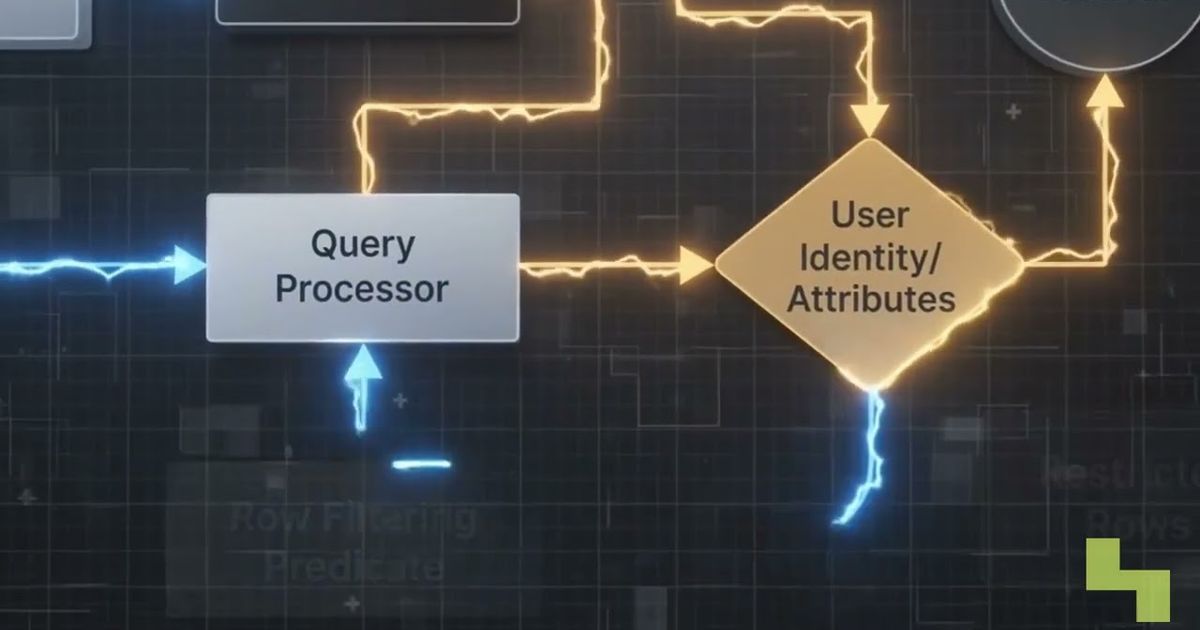
Ingestion decisions affect every later query, dashboard, model, and automated decision. A pipeline that misses changes, duplicates records, or accepts an incompatible schema can make an otherwise sound downstream system unreliable. The video above walks through the core ideas.
What does a data ingestion layer do?
A data ingestion layer connects diverse sources to downstream storage and processing systems. It absorbs differences in format, volume, delivery schedule, and consistency so consumers receive data they can use reliably.
Typical sources include:
- Operational databases containing application transactions.
- Event streams produced by services and connected systems.
- Third-party APIs with rate limits and changing response formats.
- File uploads delivered manually or on a schedule.
- IoT sensors generating continuous measurements.
- SaaS applications exposing data through APIs or exports.
The destination might be a lakehouse, warehouse, operational database, search engine, vector store, or streaming platform. Ingestion does not necessarily force every source into one universal schema. Instead, it establishes predictable formats, metadata, delivery behavior, and error handling for the systems that follow.
Which data ingestion pattern should you use?
Use full extraction when simplicity matters more than efficiency, incremental extraction when the source exposes dependable change markers, and change data capture when transaction-level changes and low source impact are important. The correct pattern depends on source capabilities, data volume, freshness requirements, and recovery needs.
The three common patterns are:
- Full extraction: The pipeline reads the entire dataset on every run and replaces the previous load. It is straightforward because the pipeline does not need to track individual changes, but repeated full reads and writes can become expensive as datasets grow.
- Incremental extraction: The pipeline loads only records changed since its previous run. It commonly uses timestamps, watermarks, sequence values, or change flags, making reliable source-side change detection essential.
- Change data capture: CDC reads inserts, updates, and deletes from a database transaction log rather than repeatedly querying the underlying tables. This can reduce load on the source and preserve change order without polling, provided the required logs, retention, and connector configuration are available.
Incremental extraction and CDC both avoid complete reloads, but they detect changes differently. CDC is especially useful when deletes and intermediate updates matter; a timestamp-based query may not capture either reliably. See this practical explanation of change data capture with Debezium for a closer look at log-based ingestion.

How does schema drift break data ingestion pipelines?
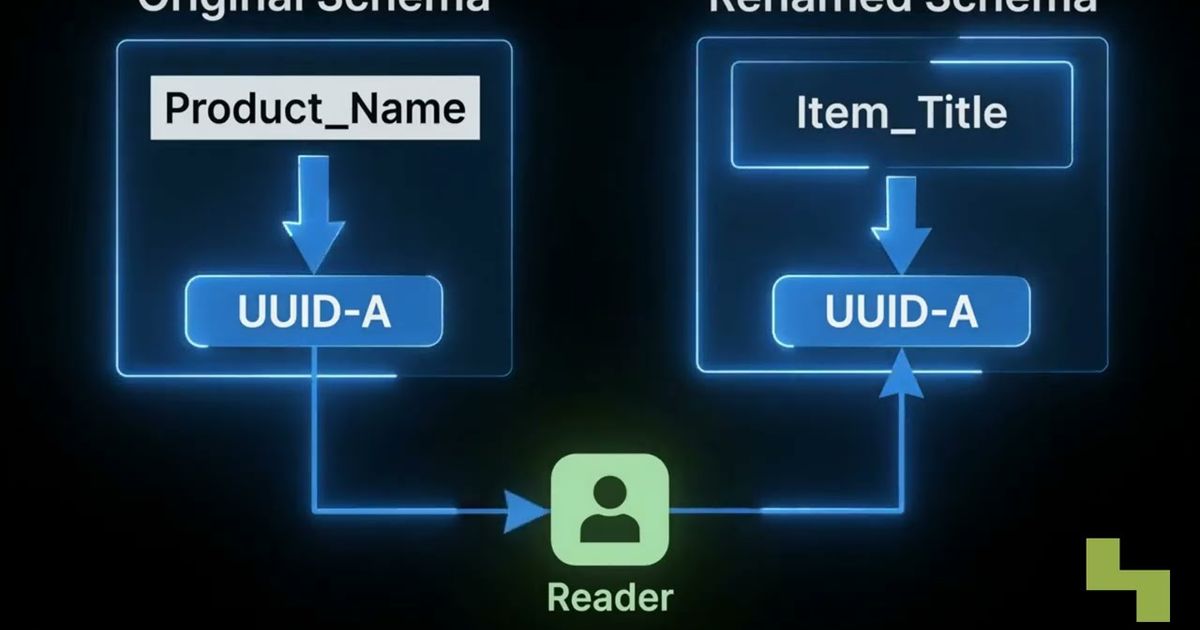
Schema drift occurs when a source changes its structure without a coordinated downstream update. It can stop a pipeline, silently discard data, or produce output that remains readable but is no longer correct.
Common examples include a renamed field, a changed data type, a newly required value, or a dropped column. A permissive pipeline might accept the change and pass unexpected nulls or malformed values downstream, while a strict pipeline might reject the entire load.
Reliable systems define how compatible and breaking changes are handled. They can validate incoming schemas, version contracts, quarantine incompatible records, and notify owners before consumers depend on the affected data. The policy should distinguish safe additions from changes that alter meaning or invalidate existing transformations.
What makes a data ingestion pipeline reliable?
A reliable ingestion pipeline can retry safely, resume from known progress, detect incorrect inputs, and expose failures before downstream consumers use bad data. Reliability therefore requires more than moving records successfully once.
Important controls include:
- Idempotent destination writes: Reprocessing the same input should not create duplicate or conflicting records. Pipelines commonly use stable record keys, upserts, deduplication, or transactional commits to make retries safe.
- State and checkpoints: Watermarks, offsets, or completed-file records identify what has already been processed. Their state must be durable and updated consistently with destination writes.
- Schema handling: The pipeline should validate expected structures and apply an explicit policy for compatible additions, breaking changes, and rejected records.
- Observability: Operators need visibility into failures, lag, throughput, rejected records, freshness, and source-to-destination counts. Alerts should surface problems before dashboards, models, or agents consume incomplete output.
Recovery should also be designed in advance. Teams need to know whether they can replay a file, reset an offset, reload a time range, or rebuild the destination without losing ordering or duplicating data. These controls are part of the broader discipline of maintaining AI data quality, because downstream validation cannot compensate for changes that ingestion never captured.

Key takeaways
- Data ingestion moves data from heterogeneous sources into systems that can store, process, query, or act on it.
- Full extraction is simple, while incremental extraction and CDC reduce repeated data movement.
- Incremental ingestion depends on trustworthy timestamps, watermarks, sequence values, or change flags.
- Schema drift must be detected and handled explicitly to prevent failures and incorrect output.
- Idempotency, checkpoints, recovery procedures, and observability make ingestion safe to operate over time.
How Hyperlake helps
Hyperlake lets teams assemble data and knowledge services alongside models, applications, policies, and monitoring in infrastructure they or their clients control. Its modular architecture can support fitting data engines and shared controls for access, observability, lifecycle, and audit, with exact procedures depending on the engine, workload, and deployment. To discuss an ingestion and data platform design, talk to our team.
Frequently asked questions
What is the difference between data ingestion and data integration?
Data ingestion moves data from a source into a destination, including the mechanics of extraction, transport, validation, and writing. Data integration is broader: it combines and reconciles data across systems so it can be used together. Integration may include ingestion, but it also covers transformations, entity matching, semantic modeling, and cross-source consistency.
Is change data capture always better than incremental extraction?
No. Change data capture is valuable when ordered inserts, updates, and deletes must be captured with limited source polling, but it requires access to suitable transaction logs and operational management of log positions and retention. Timestamp- or watermark-based incremental extraction can be simpler when the source already exposes complete, dependable change markers and occasional batch latency is acceptable.
How should an ingestion pipeline handle deleted source records?
The pipeline must first receive an explicit deletion signal, such as a CDC delete event, tombstone, or source-provided status field. It can then delete the destination record, mark it as inactive, or preserve a historical version according to retention and audit requirements. Periodic reconciliation may be necessary when the source does not expose deletions reliably.
How often should a data ingestion pipeline run?
The schedule should follow the required data freshness, source limitations, processing cost, and operational risk. A daily file may justify scheduled batch ingestion, while operational events may require continuous streaming or frequent micro-batches. Faster ingestion is not automatically better if the source cannot sustain the load or downstream systems cannot process changes safely.