LLM access control decides who or what can call a model, which models and operations they can use, and what budgets, rate limits and logging apply to each request. At scale it replaces shared provider credentials with scoped human and workload identities, role-based permissions, central enforcement and usage records you can attribute to someone.
One shared API key is convenient. Until it isn't. When many teams, applications, model providers and AI agents share infrastructure, an unscoped credential can turn one workload's mistake into a security, availability or cost problem for the whole organization.
What is LLM access control?
Think of it as the identity, authorization, usage and audit controls that apply whenever people, applications or agents call language models. A request is on its way to a model provider or a private LLM endpoint; LLM access control decides whether it's allowed and which constraints come along with it.
A complete policy can cover three things. First, who is calling (human, application or agent), their role, and the models that role may use. Second, the allowed operations, prompt lengths, tools and data sources. Third, token budgets, spending thresholds and rate limits, plus the logging, alerting and approval rules attached to them.
Only one team and one model? You won't need much of this. Once shared infrastructure serves many workloads, you need all of it, because otherwise model access is hard to separate, attribute, revoke or audit.
Why are shared provider API keys insufficient?
Which internal team, application or agent sent that request? A raw provider key can't say. All it proves is that the holder can get into an account, so sharing one key collapses authentication, permissions, quota consumption and revocation into one blunt control.
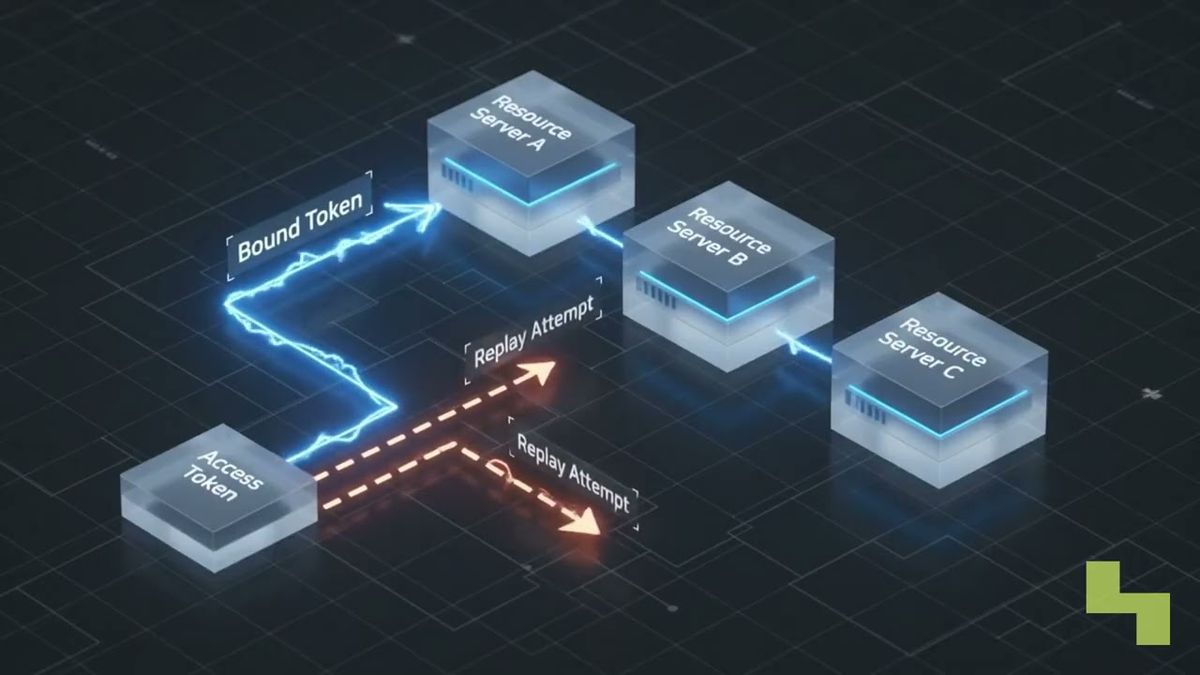
Virtual keys fix that by putting a governance layer between callers and the real provider credentials. Each workload gets a scoped key tied to permitted models, budgets and rate limits, and the provider credentials never leave the gateway.
The practical gain is isolation. You can revoke one virtual key without touching the others, and trace its usage to whoever holds it. Compare that with rotating a widely shared provider key: every workload that depends on it can break, and the provider's aggregate logs may not carry enough internal identity to find the caller responsible.

How should AI agent identities be controlled?
Every AI agent gets its own identity. We'd hold that line firmly.
Give each one a distinct, non-human identity with permissions and limits that fit its purpose. An agent isn't a traditional user, but it can call models, burn tokens, invoke tools, reach data and kick off actions.
Let an agent share credentials with a production application and it can eat that application's quota, blow its budget, or reach models and tools it was never meant to touch. Separate identities draw a line you can enforce between workloads, and they make activity attributable in operations and audits.
Scope agent policies to model access, tool permissions, data access, rate limits and budget allocations, and add a human approval for higher-impact actions. All of this pairs identity-based control with the wider discipline of grounding agents in governed enterprise context.
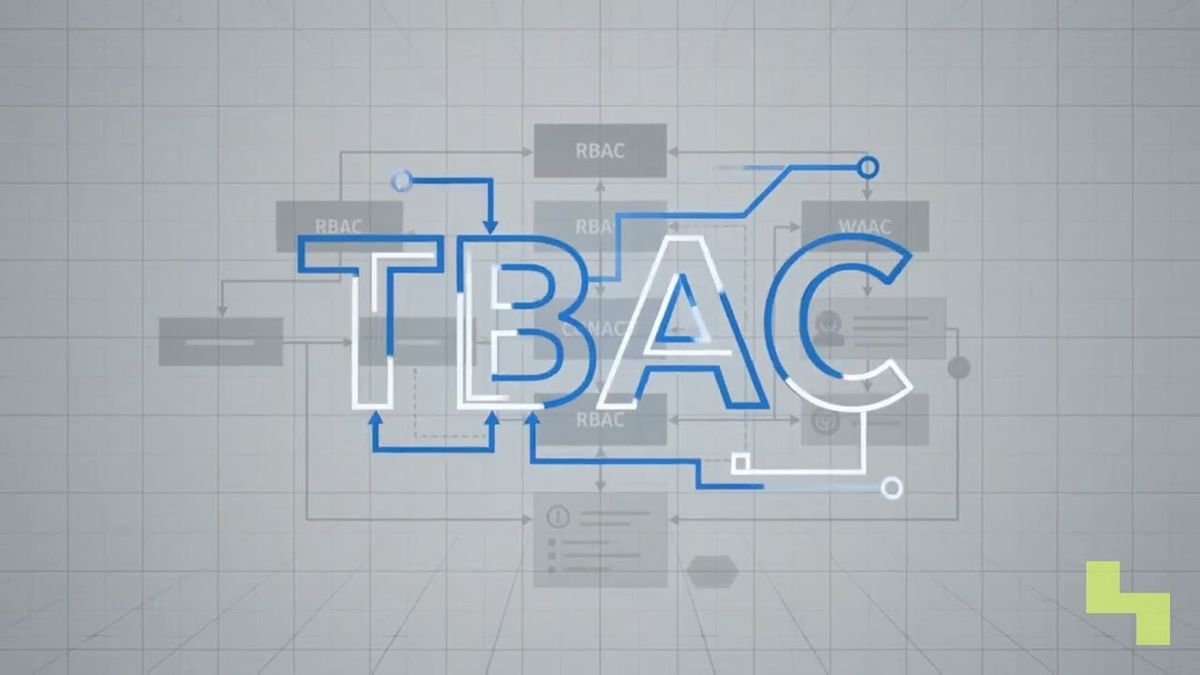
How does RBAC work for LLM infrastructure?
Role-based access control, or RBAC, hangs permissions on defined roles. Nobody configures each user or system one at a time; they inherit the model-access policies of their roles.
Here's a hypothetical set of roles:
- A prototyping team tests several approved models on a modest token budget.
- A customer-facing application calls only named production models, with prompt limits, budget thresholds and alerts as usage nears policy limits.
- A compliance officer reads usage and audit logs but can't send model requests.
RBAC handles the common patterns well. Sensitive environments may need contextual rules layered on top, meaning attribute-based controls that look at data classification, environment, geography or request context. We cover those in ABAC for fine-grained data governance.
Where should LLM access policies be enforced?
At a gateway that every model request has to go through. A single shared enforcement point can authenticate the requester, authorize the request against its role, meter usage against the limits that apply and keep enough context to reconstruct events later.
In a typical request that works out as four stages:
- Authenticate: validate the human or workload identity and its scoped credential.
- Authorize: check the requested model and operation against the assigned role.
- Meter: apply rate, token or budget controls, and raise alerts where needed.
- Log: record who asked, the decision, the model, usage, timing and the policy context.
Central enforcement also keeps real provider credentials out of individual applications.
One warning, though. Don't let the gateway become an ungoverned bypass of its own: administrative access, policy changes, secret handling and log retention need controls and auditability too.

How Hyperlake helps
Hyperlake packages identity, model services, applications, policies, scoped secrets, monitoring and lifecycle controls into reusable deployment patterns that run in infrastructure the customer controls. The governed access architecture can use OAuth/OIDC sign-in, validated JWT identity, OPA policy decisions, and enforcement and logging at integrated access points. Specific automation depends on the deployment. To talk through an LLM access-control architecture for your environment, talk to our team.
Frequently asked questions
Can RBAC control LLM costs as well as model access?
Yes. A role can carry usage policies next to model permissions: token budgets, spending thresholds and rate limits. The enforcement layer meters requests, then alerts as a workload nears a threshold or rejects further requests when policy says so. Which response is right depends on the workload's availability and governance needs.
Should every AI agent receive a separate credential?
Generally, yes. Give each independently operated agent its own scoped workload identity or virtual credential, and one agent can't drain another application's quota while every request still traces back to the right system. Grant only the models, tools and data access the agent's defined purpose requires.
What should an LLM audit log capture?
At minimum: the requester, its role, the requested model, the authorization decision, usage consumed, relevant policy checks and timing. Depending on your privacy and security needs, add tool calls, data sources and approvals. Sensitive prompts and outputs need careful retention and access policies, so don't just log everything and leave it open.
Are virtual keys the same as provider API keys?
No. A provider API key comes from the model provider and usually grants access at the provider account or project level. A virtual key comes from an intermediary governance layer and maps an internal caller to narrower permissions, limits and attribution. The gateway holds the real provider credential and uses it only after enforcing those internal policies.