Real-time data integration with Kafka and Flink captures operational events continuously, processes them as they arrive, and delivers refined data to analytics, machine learning and automated applications. Apache Kafka is the durable, distributed event log; Apache Flink transforms, aggregates and evaluates those streams with stateful and event-time processing.
Nightly batch jobs are fine until the business needs an answer before morning. Streaming cuts the stale metrics, late fraud signals and sync gaps that batches leave behind. Actual latency and recovery time still depend on how you design the workload and the infrastructure.
When should batch processing be replaced with streaming?
Only when late data costs you something: a bad decision, an unhappy customer, an automated process running on old facts.
Do your reports tolerate hours of latency? Does the workload only run now and then? Then stay with batch. It's simpler and often cheaper, and we'd say so to anyone who asked.
Streaming earns its place when you need continuously updated metrics, low-latency detection, synchronized operational applications or live model inputs. Come with a plan for schemas, event ordering, replay, state growth, observability, capacity and ownership.
And no, you don't have to kill every batch job. Plenty of architectures stream the time-sensitive operational flows and keep batch for backfills, historical recomputation and periodic reporting. Done well, streaming turns a static analytical store into part of a responsive operational control plane, with batch paths left where they fit better.

What is real-time data integration?
Event pipelines that never stop, in place of extract-and-transform jobs that run on a schedule. A change in an operational system reaches downstream systems soon after it happens, and nobody sits waiting for the next batch window.
Where do the events come from? Applications, databases, devices and services produce them: an action, a state change. Producers or change data capture components publish them into a streaming platform, where processors validate, enrich, filter, join or aggregate them before delivery.
The payoff is biggest when data loses its value fast. A fraud check on a transaction is only useful while the transaction is still actionable. Dashboards that show current orders, inventory or equipment status, machine learning services fed recent and validated business telemetry, and automated decisions that must keep step with production all belong to the same family.
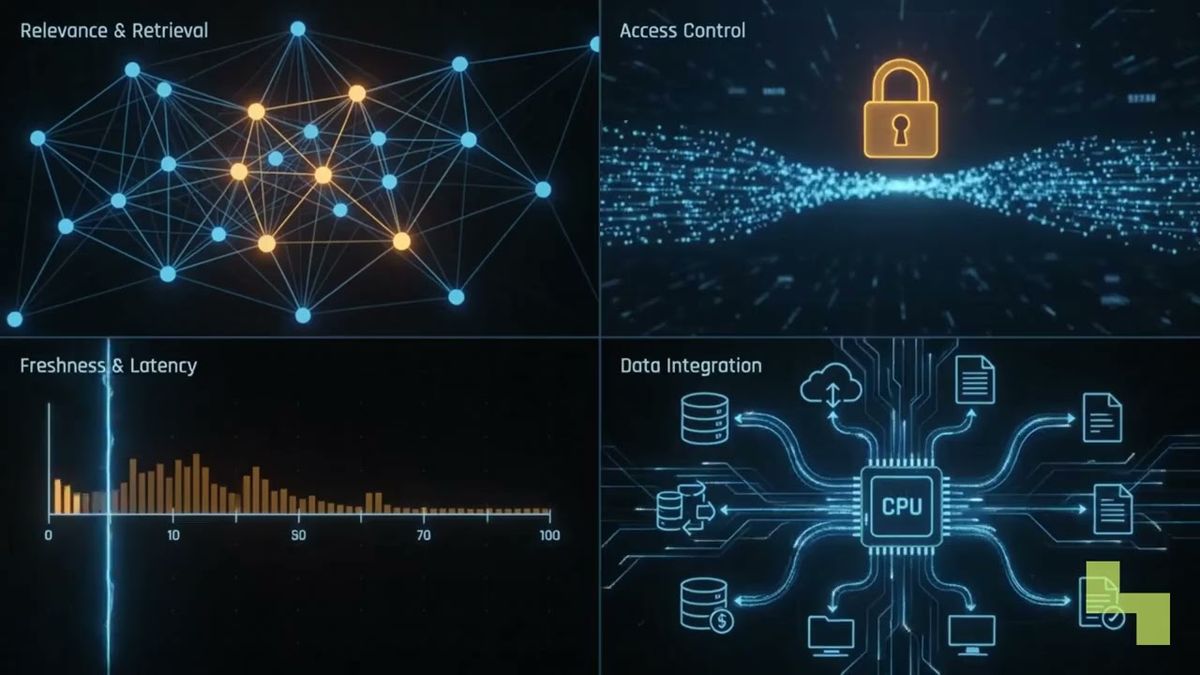
Streaming doesn't mean every result appears instantly. Network latency, event volume, processing complexity, checkpointing and destination performance decide how fresh the end result is. The wider data ingestion architecture also has to cope with schema changes, duplicates, failures and late-arriving records.
How does real-time data integration with Kafka and Flink work?
Two jobs, two tools. Kafka captures, retains and distributes event streams; Flink processes them nonstop. Keeping durable transport apart from transformation and computation is why Kafka for data integration pairs so naturally with a separate stream processor.
Inside Kafka, records are sorted into topics, and topics into partitions. Producers append events and consumers read them independently, so several applications can reuse one stream and the source system doesn't have to send each event separately. Replication and distributed storage help Kafka stay available when single nodes fail, subject to how the cluster is configured.
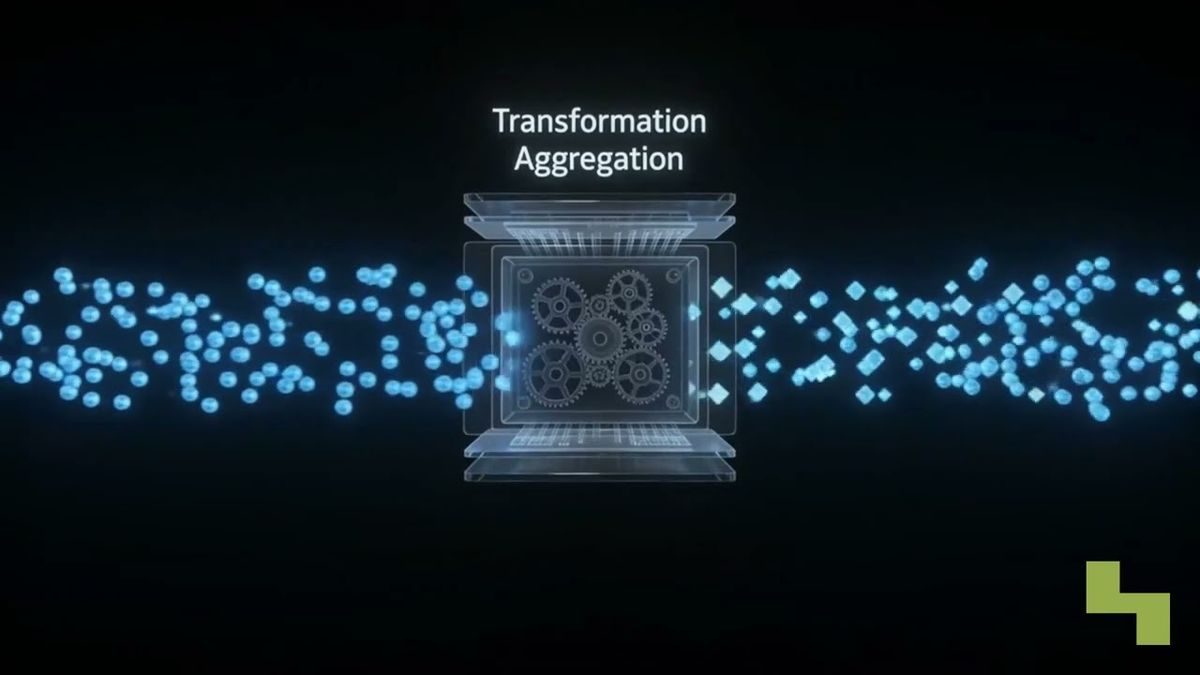
Flink reads from Kafka and gets to work. It filters out invalid or irrelevant records and turns raw events into consistent business records. It joins streams with other streams or reference data, keeps stateful counts, balances and sessions, and groups events into event-time windows for time-based analysis.
Refined records then go on to lakehouses, operational stores, search systems, dashboards or machine learning pipelines. Because the transformation happens in flight, pipelines don't have to land raw files and wait for a later job. When database changes are the source, change data capture with Debezium is one common way to produce those events.

How do streaming pipelines stay correct during failures?
Start with what a restart actually loses. State.
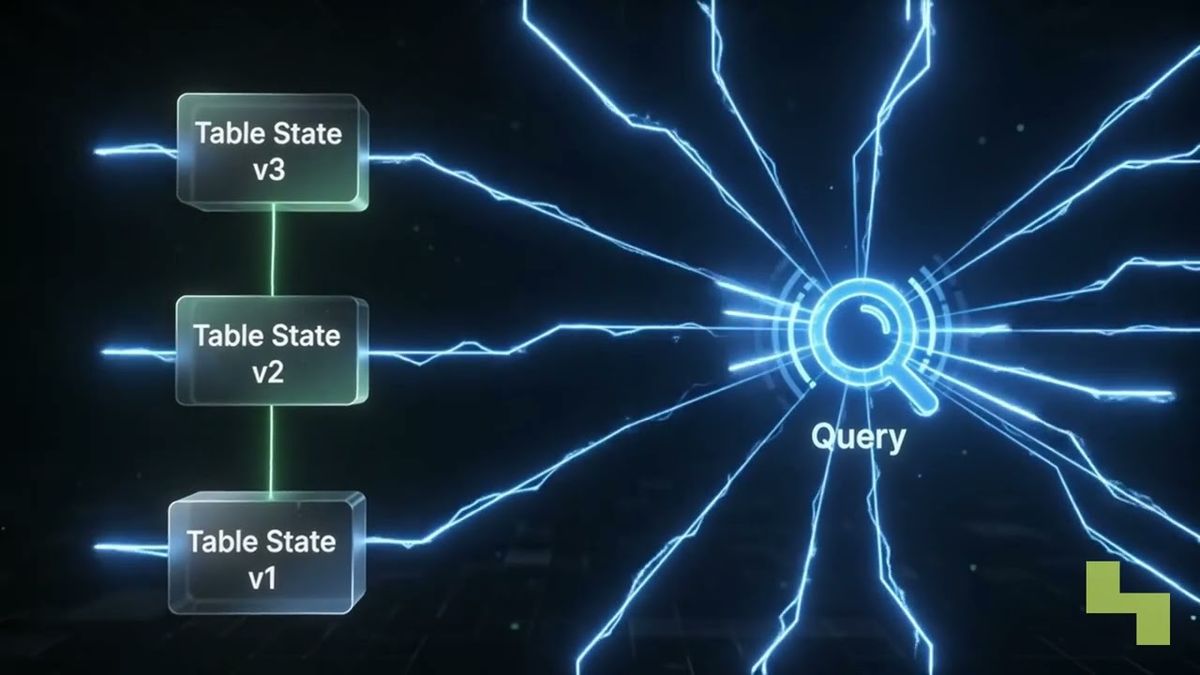
Many stream computations depend on earlier events. Try rebuilding a windowed transaction total, a device session or a running inventory balance from the latest record alone; you can't. So Flink snapshots that state periodically, along with the matching stream positions, and Kafka keeps the events around for replay. Three things have to hold together: durable input, processor state you can recover, and coordinated output behavior. After a failure, processing resumes from a consistent position.
Set up checkpointing correctly and Flink can give exactly-once state-processing semantics. End to end is another matter. It also depends on the source, sink, connector, transaction support and your application logic, and not every Kafka and Flink pipeline gets it automatically.
Recovery comes with conditions, too. Checkpoints can limit data loss and repeated work, but restoring isn't necessarily instant: state size, checkpoint frequency, available compute, Kafka retention and downstream availability all change recovery time.
Our advice is to test the failures directly. Lose a node. Restart a process. Make a destination unavailable, deliver a duplicate, send a late event. Reading resilience off an architecture diagram is wishful thinking.
How Hyperlake helps
Hyperlake is the AI cloud for your team and your agents, on your cloud. It lets teams assemble and govern data services in infrastructure they or their clients control, with Kafka available for streaming workloads next to suitable analytical, operational, vector, graph and search engines. Shared identity, access policy, network isolation, observability, audit and lifecycle controls help you run these pieces as one reusable AI environment. To talk through a governed streaming and AI architecture, talk to our team.
Frequently asked questions
Does Kafka process data or only transport events?
Mostly it stores and distributes ordered event streams within partitions: producers, consumers, retention, replay, distributed durability. A stream processor such as Flink takes on the heavier stateful transformations, joins, aggregations and event-time calculations. Some Kafka ecosystem tools can process streams too, but in this architecture Kafka and Flink play separate roles.
Can Kafka and Flink guarantee sub-second data freshness?
They can support low-latency pipelines, but sub-second freshness isn't guaranteed for every workload. It depends on event rates, partitioning, transformation complexity, checkpoint settings, network conditions, available compute and destination latency. Set a measurable freshness goal, then test the whole path from source change to downstream availability.
What does exactly-once processing mean in a Flink pipeline?
Each event changes managed computation state once, even when a failure makes records replay. Flink does this with coordinated checkpoints. Exactly-once results from end to end need compatible connectors and transactional or idempotent destinations, though. External side effects that can't be rolled back or deduplicated may still happen more than once.
Do real-time pipelines eliminate the need for batch jobs?
Rarely. Streaming is best for continuously changing data behind time-sensitive analytics, detection or automation. Batch stays useful for historical backfills, large recomputations, periodic reports and workloads where low latency has little business value. A hybrid architecture often gives the best balance of freshness, simplicity and cost.