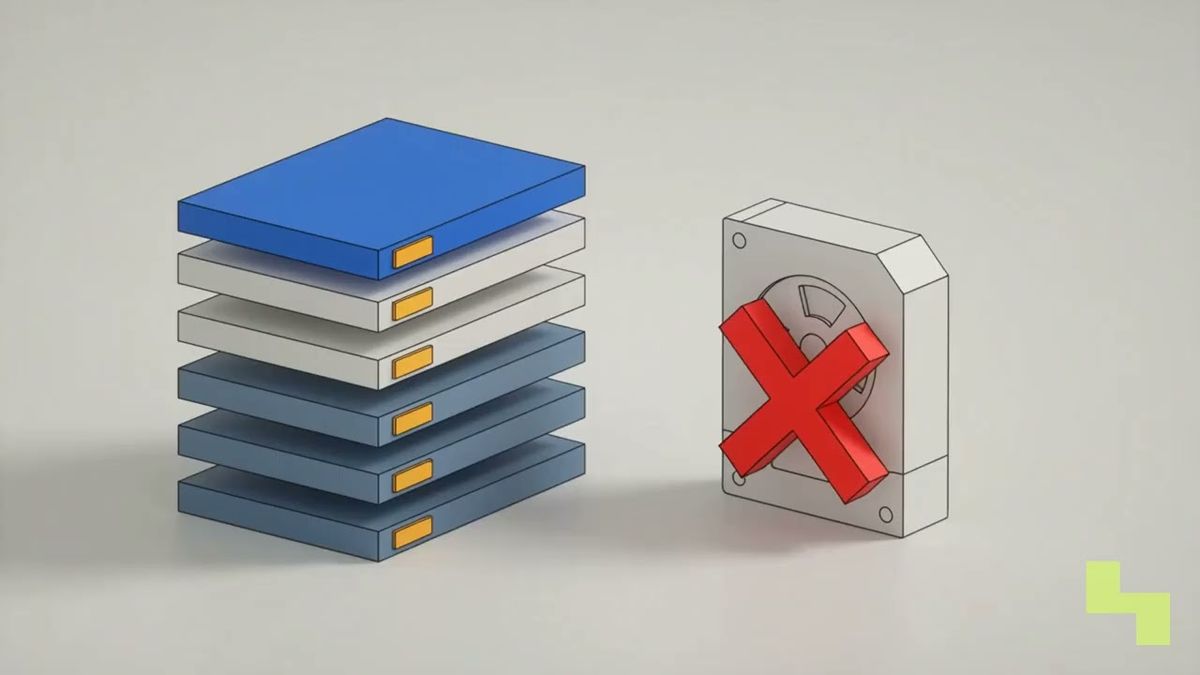
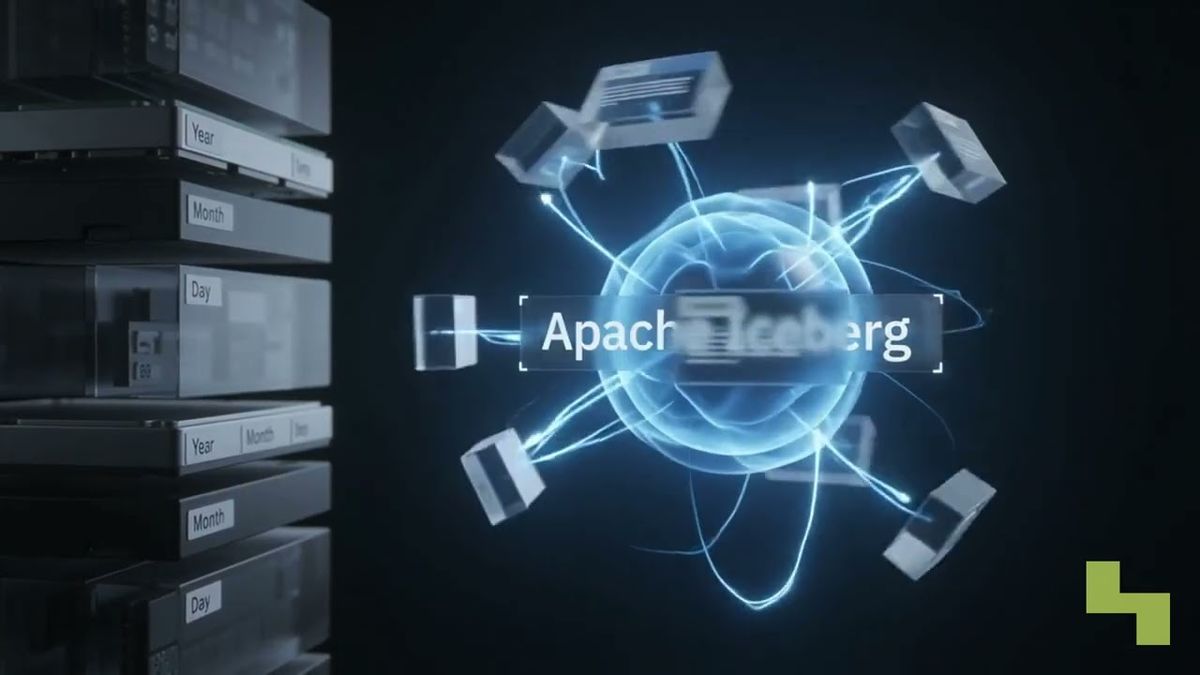
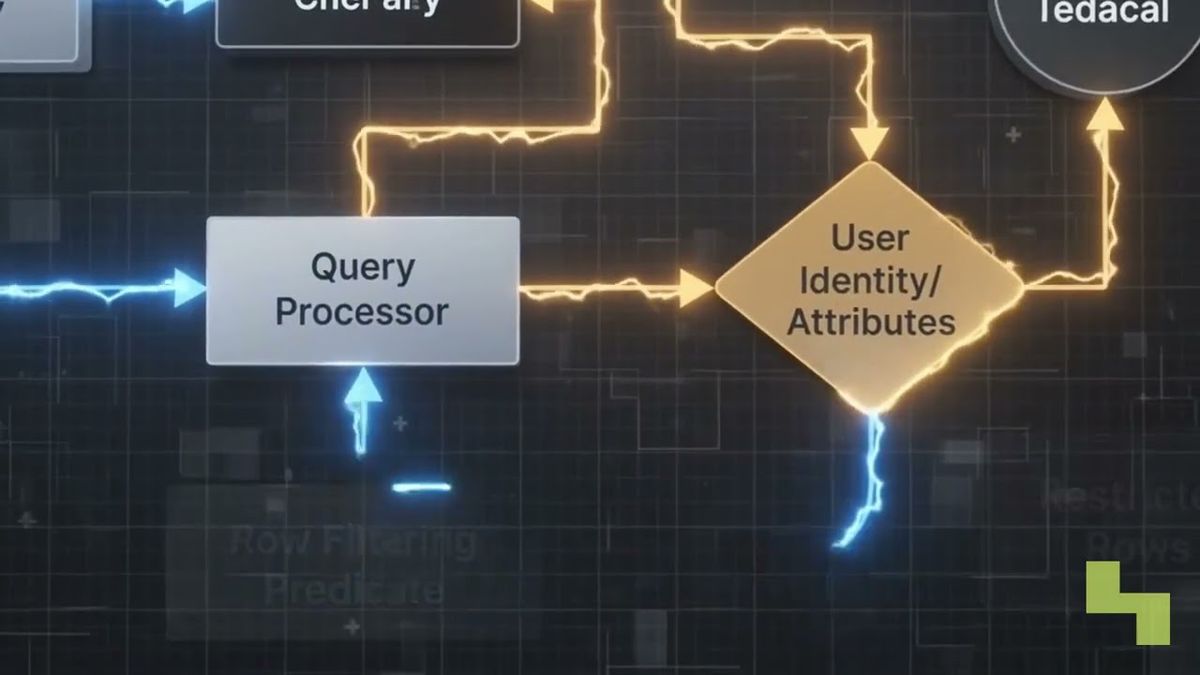
Schema evolution in data systems is the ability to change a table's structure over time while keeping access to data written under earlier schemas. Every production table changes shape sooner or later, and the files already written don't change with it. A capable system maps old and new representations at read time instead of rewriting every historical file, so compatible changes like adding, renaming or dropping columns stay metadata operations.
Applications change, teams add attributes, and business definitions drift. Meanwhile the files you wrote last year still have to be readable. Done well, schema evolution spares you disruptive migrations and keeps your historical context.
What is schema evolution in data systems?
Say a team adds a region field to a table that has been collecting rows for two years. Nobody wants a job that reads and rewrites two years of files just for that.
Schema evolution is the way around it: the table's logical structure changes, and the data created under older versions isn't rewritten right away. The system keeps enough metadata to read each file correctly and to show the query engine one consistent table.
A schema defines fields, names, data types, nullability and often nested relationships. Requirements move, so you add a field, rename one, remove one that's obsolete, or make a compatible type change. The catch is that files on disk keep the physical structure they had the day they were written. A conventional migration would read and rewrite every record; here the table's current logical schema is kept apart from the physical schemas of files already stored.
That split matters most in a data lakehouse architecture, where one table can point at many immutable columnar files created at different times.
How does Iceberg schema evolution handle schema changes?
Apache Iceberg gives fields stable IDs and records schema versions in table metadata. Table state is tied to snapshots, so an Iceberg-aware engine can work out how files written under earlier schemas line up with the schema being queried.
For the common compatible changes, Iceberg updates metadata and leaves existing data files alone. Add a column, and new files can hold the field while older files return null, because they have no value for its ID. Rename one and the name changes in table metadata but the field ID doesn't, so existing values still map to the renamed field. Drop one and the current schema simply stops projecting it, though older physical files may still contain the data until lifecycle operations rewrite or remove them.
The same metadata and snapshot model keeps the history you need to understand how a table changed. Whether you can retain and query older states depends on snapshot retention, catalog configuration and engine behavior. Iceberg snapshots explained goes deeper on the mechanism.
How do old files match a new schema?
By ID, not by position.
A schema-aware table format maps fields through stable identifiers rather than just column name or order, and at query time it projects whatever fields each file has into the schema being requested. Parquet supports field identifiers in its schema metadata. Don't read that as "any pile of Parquet files evolves safely", though: a table format and a compatible query engine still have to assign, keep and interpret those identifiers the same way.
Picture a single read. The table metadata says which schema the query asked for, and it also records which schema applied when each data file was written. Stable field IDs link logical columns to physical fields across versions. The reader returns the mapped values, fills in nulls for absent fields, and ignores fields nobody requested.
Why not just match by position? Because it's dangerous. Match columns only by order, insert or rearrange one field, and a reader can attach values to the wrong logical column. Nothing throws an error.

When does schema evolution require more than metadata?
Whenever the mapping stops being unambiguous. Metadata-only evolution works where there's a clear line between old and new fields; it doesn't make every schema transformation automatically safe or semantically right.
Switch a column to an incompatible type, split one field into several, merge fields, or redefine what a value means, and you may need real data transformation and validation. Even when storage handles the change perfectly, application code, semantic models, data quality rules and downstream consumers can still lean on the old name or shape.
So before you touch a production schema, check four things:
- Does the table format, and every engine you use, honor field IDs?
- Is the type conversion you want supported and compatible?
- Which applications, views, pipelines and policies reference the old schema?
- Do snapshot retention and file cleanup still meet your rollback and compliance needs?
Our plain view: schema evolution protects storage continuity, and that's all it protects. What fields mean, who owns them and how long they live still need governance from people.
How Hyperlake helps
Hyperlake is the AI cloud for your team and your agents, on your cloud. It can run governed data foundations using Iceberg and object storage with an appropriate query engine such as Trino, subject to the deployment and validated integration. Data services, identity, policy, observability and lifecycle operations come together in one control surface, and you keep control of your infrastructure, data, applications, models and keys. Operational procedures like upgrades, backups, restoration and maintenance vary by engine and solution pack. To talk through a specific architecture, talk to our team.
Frequently asked questions
Does adding a column require rewriting existing data files?
Not when the table format and query engine support compatible schema evolution. New files store the added field, and readers return null for older files that lack its field ID. If you want a default value or backfilled history instead of nulls, that may take extra processing.
Can an Iceberg column be renamed without losing its data?
Yes. Iceberg identifies a field by a stable ID, so the name isn't its identity. A rename changes the logical name in table metadata and keeps the mapping to values already sitting in existing files. Downstream applications that use the old name may still need an update.
What happens to stored values after a column is dropped?
The column leaves the current logical schema, so normal queries stop projecting it. Its physical values can linger in older files until maintenance rewrites or deletes them. Whether historical snapshots still reach them depends on retention settings, the catalog and query-engine support.
How do you handle schema evolution across Parquet-based data systems?
Put a table format on top that uses field identifiers consistently, because Parquet alone isn't enough. Parquet can carry field identifiers, but safe evolution depends on the metadata layer, the writers and the readers all honoring them. A directory of unrelated Parquet files won't give you the schema history and mapping behavior that Apache Iceberg adds.