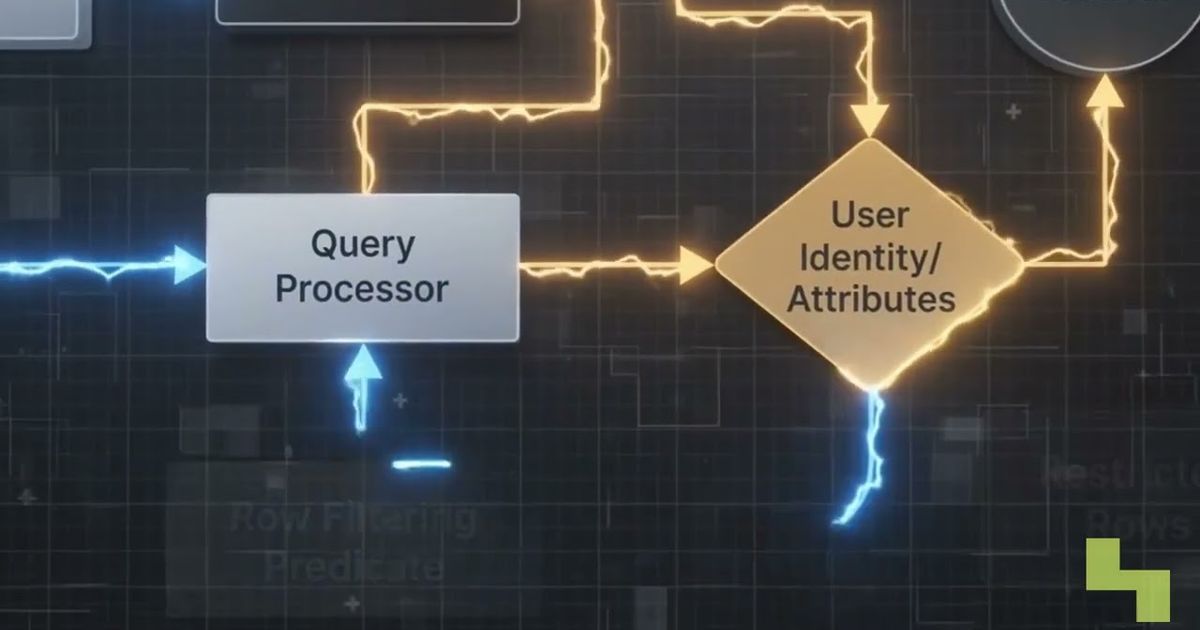
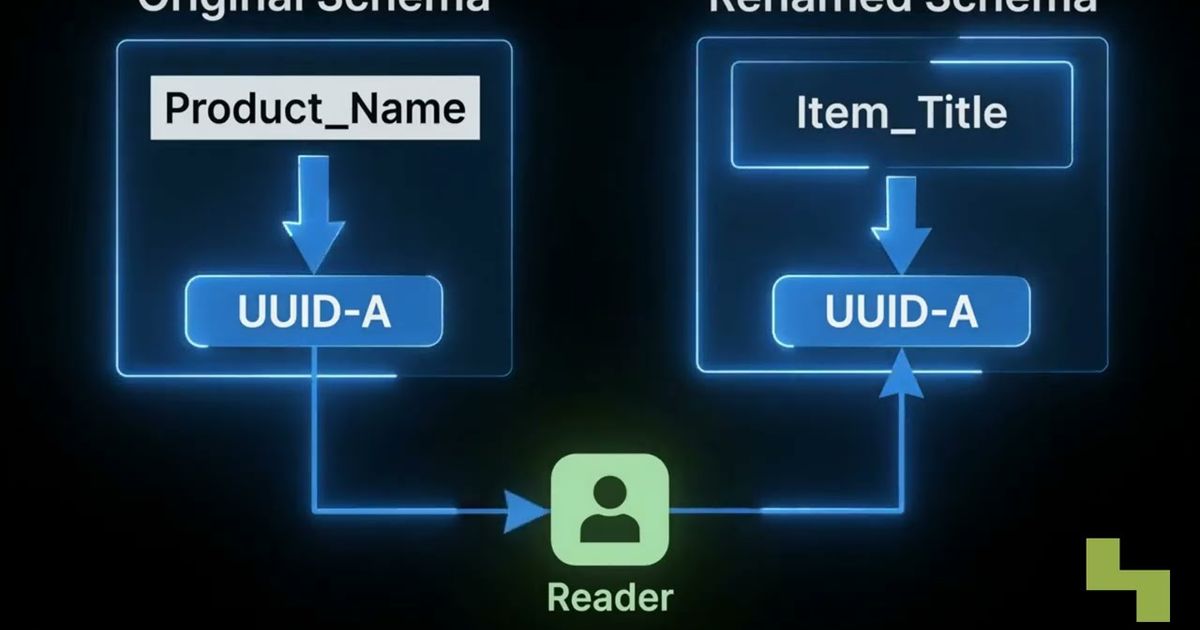
Data residency defines where data is physically stored and processed. Data sovereignty defines which jurisdiction’s laws govern access to that data, including potential government demands. An AI workload can satisfy a regional hosting requirement while remaining subject to another jurisdiction because of the cloud provider’s corporate location, contracts, subprocessors, or operational control.
This distinction matters because enterprise AI moves data through inference, retrieval, observability, and model-development systems rather than leaving it in one storage location. Geographic placement alone does not establish legal or operational control. The video above walks through the core ideas.
What is the difference between data residency and data sovereignty?
Data residency answers where data operations happen, while data sovereignty answers which laws and authorities can govern access. The two requirements overlap, but neither automatically satisfies the other.
A cloud provider may commit to storing and processing data in a selected region. That establishes a residency boundary for the covered services and data flows. Sovereignty requires a broader review of the provider’s headquarters, corporate structure, subprocessors, support access, contracts, and control over encryption keys.
The US CLOUD Act illustrates the gap. Subject to valid legal process and applicable challenges, it can require a US-based provider to produce data within its possession, custody, or control even when that data is stored overseas. An organization could therefore keep information in Frankfurt or Tokyo while retaining a legal access pathway through the provider’s US jurisdiction.

Why does AI inference complicate data residency?
AI inference creates several data flows, each of which needs its own residency and sovereignty assessment. Reviewing only the database or object-storage region leaves important processing paths unexamined.
An enterprise AI request may pass through:
- A prompt gateway and retrieval service that access source records or documents.
- A model endpoint that processes prompts, retrieved context, and generated output.
- Embedding systems and vector indexes that create derived representations.
- Logging, tracing, evaluation, or fine-tuning pipelines that retain inputs or outputs.
Teams should document where each component runs, what it stores, how long it retains data, and which organization can administer it. They should also identify cross-region failover, centralized support tooling, telemetry exports, backups, and subprocessors. These less-visible paths can move or expose AI data outside the intended boundary.

How do GDPR and the EU AI Act affect data sovereignty?
GDPR and the EU AI Act can apply to the same AI system, but they address different obligations. GDPR governs personal-data processing and cross-border transfers, while the EU AI Act adds requirements for covered AI systems, including data governance obligations for certain high-risk systems.
Under GDPR, organizations need an appropriate legal basis for processing and a valid transfer mechanism when personal data leaves the European Economic Area or becomes accessible from another jurisdiction. Keeping storage in an EU region helps with location, but it does not by itself resolve remote access, subprocessors, support operations, or conflicting legal demands.
For high-risk AI systems, the EU AI Act introduces documentation, governance, risk-management, and lifecycle obligations that depend on the system and the organization’s role. Teams therefore need evidence connecting data sources, processing locations, access controls, model use, and operational accountability. A practical AI data governance framework should cover both geographic flows and jurisdictional exposure rather than treating residency as the complete control.
How can organizations close the sovereignty gap?
Organizations can reduce the gap by combining jurisdictional due diligence, controlled infrastructure, key custody, and documented operational boundaries. The right design depends on regulatory exposure, risk tolerance, workload sensitivity, and the team’s ability to operate infrastructure securely.
Common mechanisms include:
- Locally headquartered providers: A provider based in the target jurisdiction can reduce some foreign legal exposure, although its ownership, subsidiaries, subprocessors, and dependencies still require review.
- Self-managed infrastructure: Running models and data services in an organization-controlled cloud account, private cloud, or on-premises environment increases operational control but also transfers patching, monitoring, resilience, and incident-response duties to that organization.
- Bring your own key: BYOK lets the customer supply or manage encryption keys, but the provider may still process plaintext while a service is running.
- Hold your own key: HYOK architectures can strengthen key custody by keeping keys outside the provider’s control, subject to how the service accesses data during processing.
Provider assessments should cover corporate jurisdiction as carefully as price and region availability. They should also examine administrative access, key control, data retention, model-training terms, subprocessors, disaster recovery, deletion procedures, and evidence available for audits. Legal, security, data, and AI platform teams should make the decision together rather than treating it as a cloud-region setting.
Key takeaways
- Data residency concerns physical location, while data sovereignty concerns governing jurisdiction and access rights.
- A regional cloud deployment can meet residency requirements without eliminating foreign legal exposure.
- AI teams must assess prompts, inference, embeddings, logs, evaluations, and fine-tuning as separate data flows.
- Provider jurisdiction, infrastructure control, and encryption-key custody should be evaluated alongside price and performance.
- GDPR and the EU AI Act may create simultaneous but distinct governance obligations for an AI system.
How Hyperlake helps
Hyperlake lets teams deploy and govern data services, models, applications, and tools in their own infrastructure or their clients’ environments, with data, models, applications, and keys remaining in infrastructure the customer controls. Its modular foundation supports identity-based access, network isolation, scoped secrets, policy enforcement, audit, and lifecycle operations across cloud, private-cloud, and on-premises deployments. To discuss the jurisdiction, data boundaries, and operating model for your workload, talk to our team
Frequently asked questions
Does selecting an EU cloud region make an AI system sovereign?
No. An EU region establishes where covered data is stored or processed, but sovereignty also depends on the provider’s jurisdiction, corporate control, subprocessors, remote administration, and key access. A US-headquartered provider, for example, may remain subject to valid US legal demands concerning data under its possession, custody, or control, even when the infrastructure is in Europe.
Can encryption make data sovereignty concerns disappear?
Encryption reduces exposure but does not automatically establish sovereignty. BYOK can give the customer more control over key management, while HYOK can keep key custody outside the provider. However, inference services often need access to decrypted data during processing, so teams must evaluate runtime access, administrative privileges, logging, backups, and the provider’s legal obligations as well as encryption at rest.
What should an AI provider sovereignty assessment include?
The assessment should identify where prompts, source data, embeddings, outputs, logs, backups, and fine-tuning datasets are stored and processed. It should also examine the provider’s headquarters, ownership, subprocessors, support locations, key-control model, retention policies, training terms, failover regions, deletion process, and available audit evidence. Contractual commitments should match the technical architecture.
Is self-managed infrastructure the only way to achieve data sovereignty?
Not necessarily. Organizations may use a locally headquartered provider, deploy into an account they control, retain encryption keys, restrict administrative access, or combine these approaches. Self-management offers greater control but creates operational responsibilities for security, upgrades, monitoring, backup, and recovery. The appropriate model depends on legal exposure, data sensitivity, required assurance, and the organization’s operational capacity.