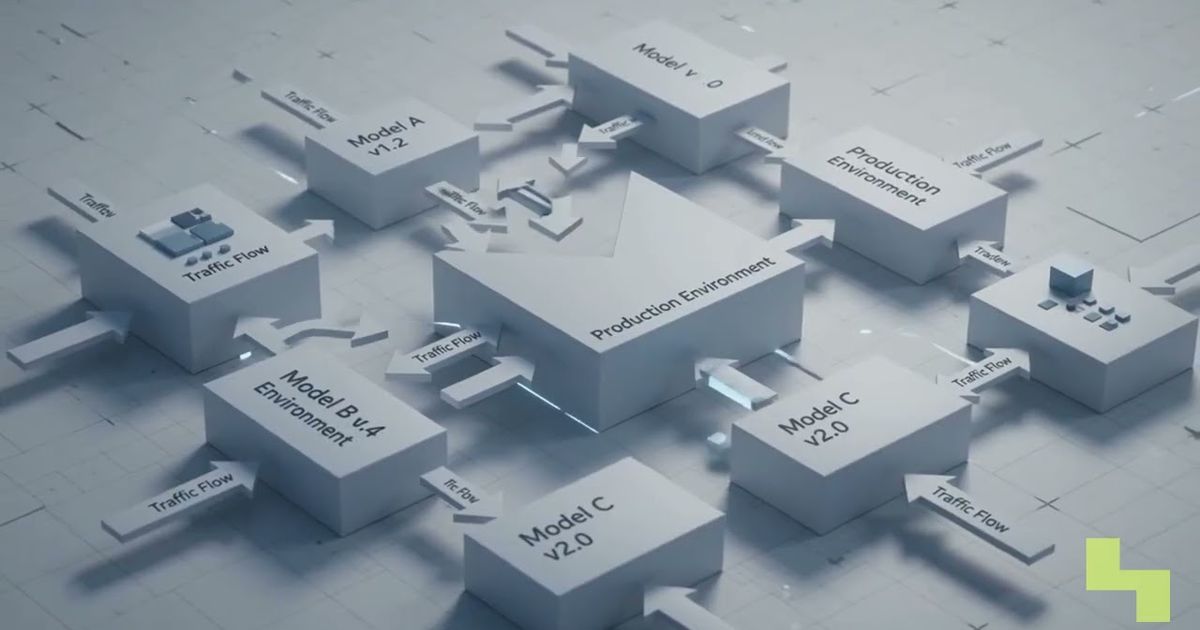
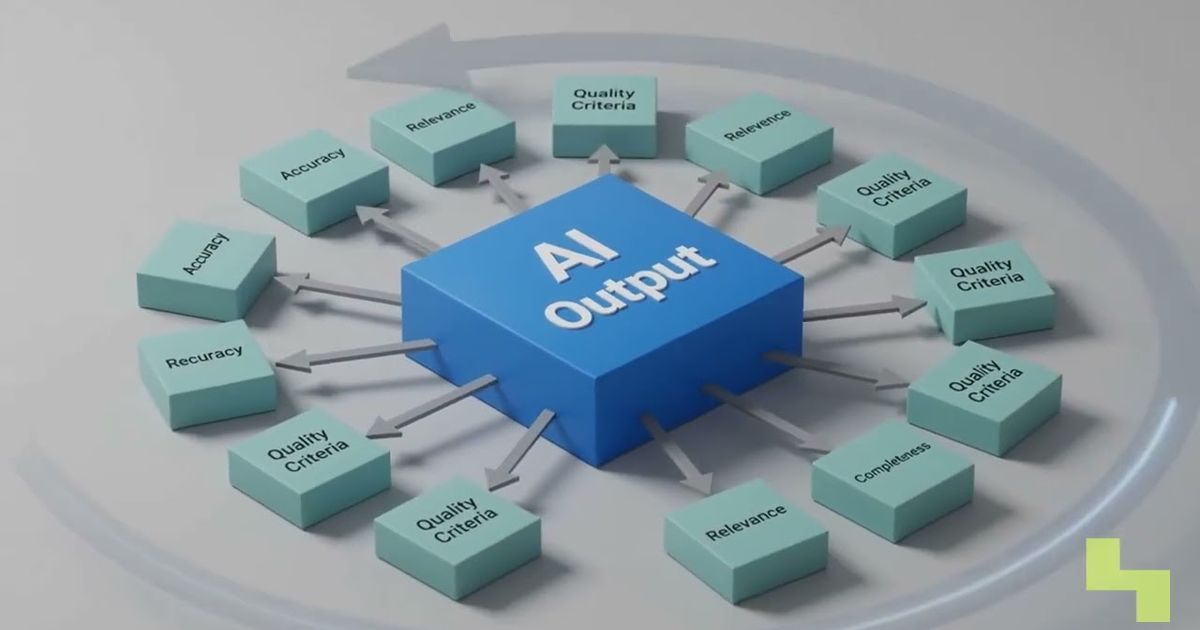
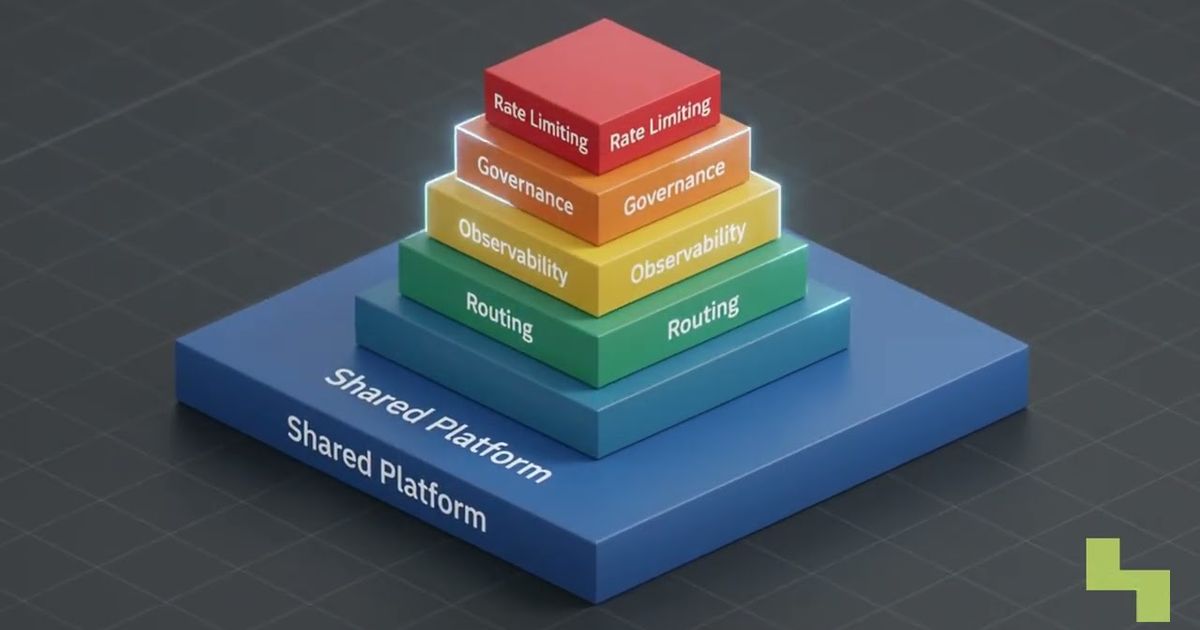
Data silos are isolated systems, teams, or organizational structures that prevent AI from seeing all relevant enterprise information. Even a capable model produces incomplete or incorrect outputs when customer, product, order, or operational context is fragmented across incompatible formats, identifiers, policies, and databases that cannot be reconciled.
This matters because AI agents must connect information across business processes, not merely retrieve records from one application. Teams achieving stronger AI results usually address data integration and governed access before investing heavily in model capability. The video above walks through the core ideas.
What is a data silo in enterprise AI?
A data silo is any system, team, or organizational structure that holds information in isolation from the rest of the enterprise. The data may exist and remain useful locally, yet still be unavailable or unintelligible to an AI system that needs broader context.
Silos usually form gradually rather than through a single architectural decision. Common causes include:
- Business units creating databases for their own operational requirements.
- Teams adopting different applications, schemas, and naming conventions.
- Acquisitions introducing systems that are never fully consolidated.
- Governance rules limiting data movement for legitimate compliance or security reasons.
As a result, the same customer, product, asset, or order can appear in several systems with different identifiers and representations. One database may identify a customer by account number, another by email address, and another by a billing ID. Without a reconciliation mechanism, an AI application cannot reliably determine whether those records describe the same entity.
A silo is therefore not simply a database in a different location. It is a boundary that prevents information from being consistently discovered, interpreted, linked, or accessed by the people and applications that need it.
Why do data silos break AI systems?
Data silos break AI because they give the system an incomplete representation of the situation it must evaluate. The model can only reason over the context it receives, regardless of how capable the model itself may be.
Consider a customer service agent that can read support tickets but cannot access account history, billing records, or recent transactions. It might recommend troubleshooting steps while missing that the account is suspended, the invoice was disputed, or a replacement order has already shipped. The answer can sound plausible while remaining operationally wrong.
Several boundaries contribute to this incomplete context:
- Systems: Relevant records remain distributed across separate operational applications.
- Identities: Different identifiers prevent records for the same entity from being linked.
- Formats: Incompatible schemas and data structures make information difficult to combine.
- Policies: Access controls may block required context unless access is explicitly governed.
This is a compound-system problem rather than just a model problem. As explained in compound AI systems, production behavior depends on data, retrieval, tools, policies, and applications working together around the model.

Why are silos more damaging to AI than analytics?
Analytics teams can often compensate for fragmented data through manual joins, extracts, spreadsheets, and interpretation. AI agents operate dynamically, so they need reliable cross-system context at the moment they answer a question or take an action.
With conventional reporting, silos create delays, duplicated work, and decisions based on partial information. Analysts can investigate discrepancies, ask domain experts for clarification, or annotate a report when definitions differ.
An AI agent may not have that opportunity. If its tools expose only one part of a process, the agent can confidently return an incomplete answer. If identifiers conflict, it may associate information with the wrong entity. If access policies are unclear, the system may either receive too little context to be useful or receive more data than its task permits.
The objective is not indiscriminate access. AI systems need approved, task-relevant data with clear definitions and enforceable controls. A reviewed semantic layer architecture can help establish consistent business meanings, while identity and policy enforcement determine which records and fields each user or workload may reach.
How can teams break down data silos for AI?
Teams need deliberate investment in integration, shared data models, entity reconciliation, and access governance. The goal is cross-system visibility that preserves the security and compliance controls each source requires.
A practical sequence is:
- Inventory relevant data. Identify the systems, owners, schemas, classifications, and policies involved in the AI use case.
- Reconcile shared entities. Define how customers, products, orders, assets, and other core entities map across identifiers and representations.
- Establish governed access. Authenticate users and workloads, evaluate policy, scope credentials, and log access at enforcement points.
- Serve approved context. Expose reliable data through governed query, search, vector, graph, streaming, or application services appropriate to the workload.
Breaking silos does not necessarily mean copying everything into one repository. Some information may need to remain in place because of residency, security, ownership, latency, or operational constraints. Integration can instead provide controlled interfaces and shared definitions that let AI applications access approved context across systems.

Key takeaways
- Data silos isolate information across systems, teams, formats, identifiers, and organizational boundaries.
- A capable model cannot compensate for important context that its data and tools never provide.
- Silos are more disabling for agents than for reporting because agents must reason and act dynamically across business processes.
- Effective remediation combines integration, shared models, entity reconciliation, and governed access.
- Strong AI programs treat data readiness as a prerequisite rather than relying on model improvements alone.
How Hyperlake helps
Hyperlake lets teams assemble data services, model endpoints, applications, policies, identity controls, and monitoring in infrastructure they or their clients control. Its modular architecture can support governed access to structured data, documents, vector stores, knowledge graphs, streams, and operational systems, with specific engines and integrations selected for the deployment. To discuss an AI environment that needs governed context across existing systems, talk to our team.
Frequently asked questions
Can retrieval-augmented generation solve enterprise data silos?
Retrieval-augmented generation can provide models with relevant context, but it does not automatically resolve silos. The retrieval layer still needs authorized access, reliable ingestion or query paths, consistent metadata, and a way to reconcile entities across sources. If the underlying index contains incomplete or conflicting information, the model will receive an incomplete or conflicting view.
Does breaking data silos require one central data platform?
No. Centralization can simplify some workloads, but it is not always appropriate when data must remain in operational systems, regions, business units, or client environments. Teams can combine shared definitions with governed query, search, APIs, or data products, allowing AI applications to reach approved information without removing every source system’s controls.
How should access control work when an AI agent uses multiple systems?
The agent should use authenticated, scoped identities rather than shared database credentials. Each access point should evaluate what the user or workload may read or do, enforce applicable policies, and record the request for audit. Permissions should follow the task and data sensitivity instead of granting broad access simply because the agent spans several systems.