Semantic layer architecture places a governed logical abstraction between underlying data and the tools or agents that consume it. It defines business metrics, dimensions, and table relationships once, then translates requests into consistent technical queries. BI dashboards, data applications, analysts, and AI agents can therefore use the same definitions instead of recreating logic independently.
This matters because duplicated query logic inevitably drifts: finance and sales may calculate revenue differently even when they start with the same data. Centralizing definitions improves consistency, simplifies changes, and gives both people and AI systems a stable business vocabulary. The video above walks through the core ideas.
What is semantic layer architecture?
A semantic layer is an interface between technical data structures and recognizable business concepts. It maps terms such as monthly revenue, active customer, or churn to the tables, joins, filters, and calculations needed to produce them.
Without this layer, every analyst, dashboard developer, or application team must interpret raw schemas independently. SQL becomes the place where business meaning is embedded, which makes definitions difficult to find, compare, and govern. Small differences in filters or join paths can then produce conflicting answers.
The semantic layer moves that meaning into shared definitions. Consumers ask for a metric using a known business term, while the layer handles its technical implementation against the underlying data. This complements data virtualization across distributed systems: virtualization provides an interface to data in multiple locations, while a semantic layer defines what that data means to the business.
What does a semantic layer define?
A semantic layer defines metrics, dimensions, and relationships. Together, these elements specify what should be calculated, how users can analyze it, and how underlying datasets can be combined correctly.
- Metrics are calculated values the organization tracks, such as revenue, churn rate, or customer lifetime value. Their definitions include the required aggregation, filters, and business rules.
- Dimensions are attributes used to group, filter, or slice metrics, such as region, product category, customer segment, or time period.
- Relationships describe valid join paths between tables. They help prevent incorrect combinations, duplicated rows, and calculations based on the wrong level of detail.
Defining these elements centrally does not remove the need for data modeling or quality controls. The semantic layer still depends on accurate source data and carefully reviewed logic. Its role is to make approved definitions reusable and visible rather than leaving them scattered across queries, dashboards, and application code.
Should a semantic layer be physical or virtual?
A physical semantic layer precomputes and stores defined metrics, while a virtual semantic layer applies definitions when a query runs. The right mode depends on performance requirements, freshness expectations, storage constraints, and the complexity of the underlying calculation.
A physical approach materializes results into tables that downstream tools query directly. It can provide faster and more predictable reads, especially for repeated or computationally expensive calculations, but it requires additional storage and a refresh process to keep results synchronized.
A virtual approach keeps definitions separate from stored results and computes them against source data at query time. This avoids maintaining another materialized copy and lets queries reflect current source data, but it adds query-time computation and can expose consumers to the performance characteristics of the underlying systems.
Many architectures use both patterns: materialize frequently requested or expensive metrics, while resolving less common or freshness-sensitive questions virtually. The important principle is that both paths implement the same reviewed business definitions.

How does a semantic layer help AI agents?
A semantic layer gives AI agents stable, governed business concepts instead of requiring them to interpret raw database schemas. It can translate a natural-language request into a technically correct query based on approved metrics, dimensions, and relationships.
For example, an agent asked for monthly revenue by region should not invent a revenue formula or guess which tables to join. It should resolve “revenue,” “month,” and “region” through the semantic model, generate the corresponding query, and return the result within the caller’s access rights.
This is an important part of grounding enterprise agents in governed context. A semantic layer improves consistency, but it does not replace identity, authorization, audit, or controls over which data and tools an agent may use.
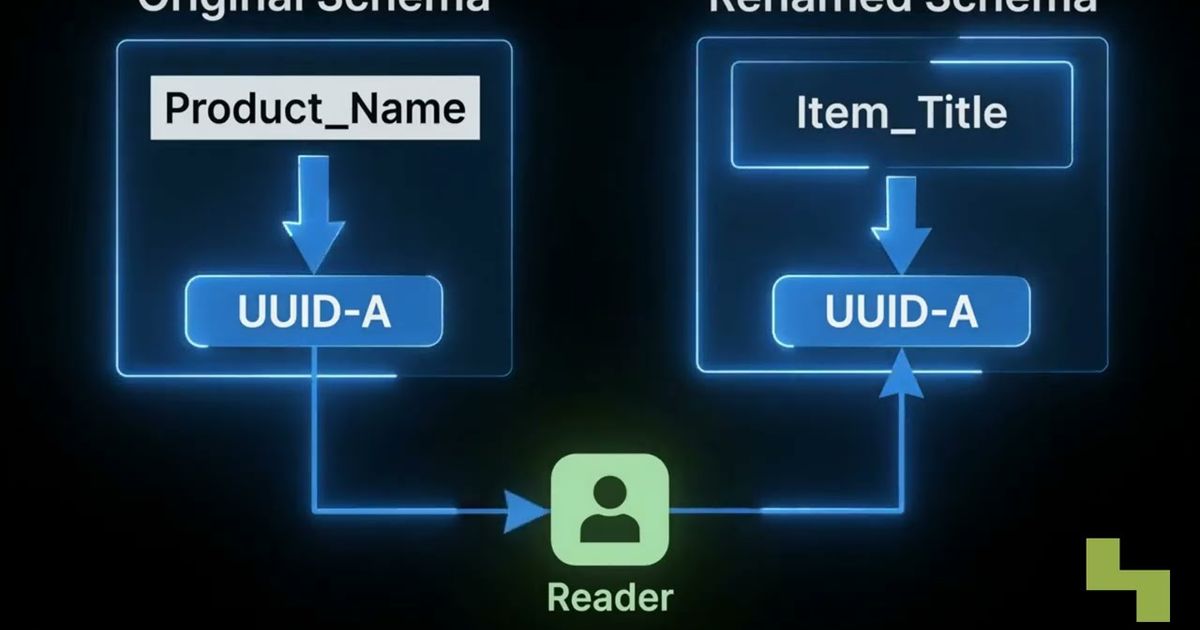
It also creates a stable contract when data structures change. If a source column or table moves, the mapping can be updated in the semantic layer while downstream agents continue using the same business term, provided the semantic contract remains intact.

Key takeaways
- A semantic layer centralizes business meaning instead of duplicating it across SQL queries, dashboards, applications, and agents.
- Metrics define calculated values, dimensions define how they are filtered or grouped, and relationships define correct table joins.
- Physical semantic layers favor precomputed performance, while virtual layers favor query-time freshness and reduced duplication.
- AI agents benefit from stable definitions, but they still require governed identity, data access, and auditing.
- Schema changes can be isolated behind the semantic layer when the business definition remains unchanged.
How Hyperlake helps
Hyperlake can support a governed data foundation with a reviewed semantic layer so agents see approved data definitions rather than unrestricted raw schemas. It also provides identity-aware access patterns using OAuth/OIDC sign-in, validated JWT identity, OPA policy decisions, and enforcement and logging at integrated access points. To discuss deploying this architecture in your infrastructure or a client environment, talk to our team.
Frequently asked questions
Does a semantic layer replace a data warehouse or lakehouse?
No. A warehouse, lakehouse, or operational database stores and processes data, while a semantic layer defines how consumers should interpret that data. It relies on underlying systems for storage and execution, then exposes consistent metrics, dimensions, and relationships to tools and agents.
Can a semantic layer eliminate every conflicting metric?
A semantic layer provides one governed place to define a metric, but consistency still depends on adoption and review. If teams bypass it, use unapproved calculations, or rely on poor-quality source data, conflicting answers can remain. Governance should assign ownership and establish a change process for important definitions.
What happens when the underlying database schema changes?
The semantic layer’s mappings can be updated to reference the new columns, tables, or relationships. Downstream consumers can continue requesting the same business concepts without rewriting every dashboard or agent instruction, as long as the updated schema can preserve the existing semantic contract.
Can BI tools and AI agents use the same semantic definitions?
Yes, when both integrate with the semantic layer’s supported query interface. A dashboard and an agent can request the same metric and receive results based on the same calculation and join rules. Each consumer should still be subject to its own identity and data-access policies.