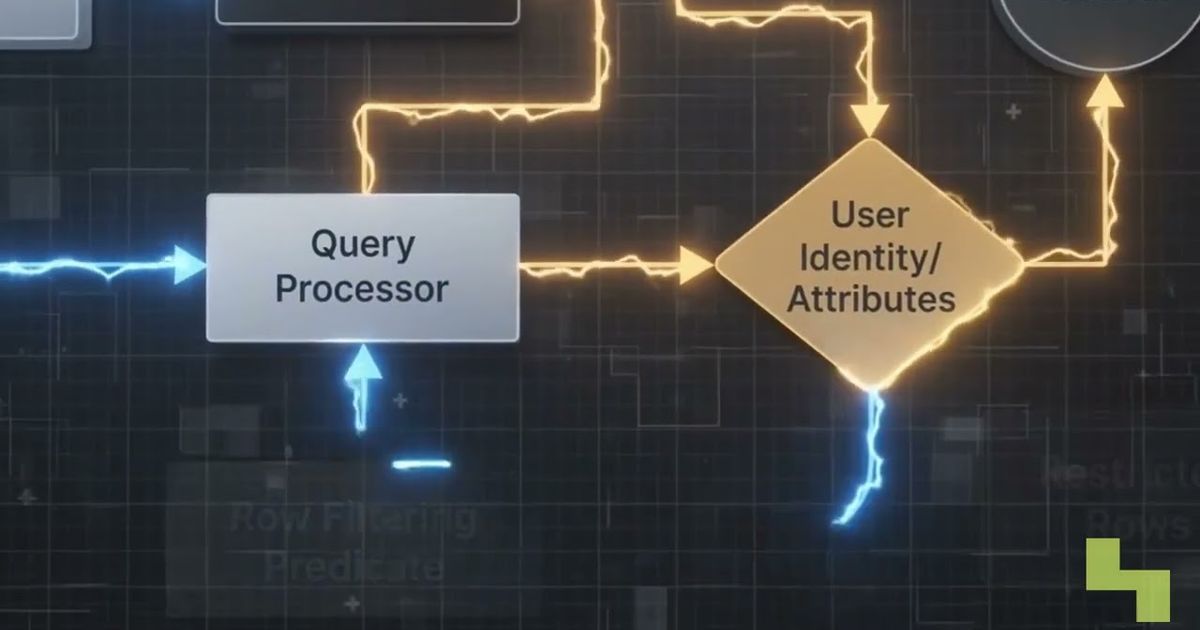
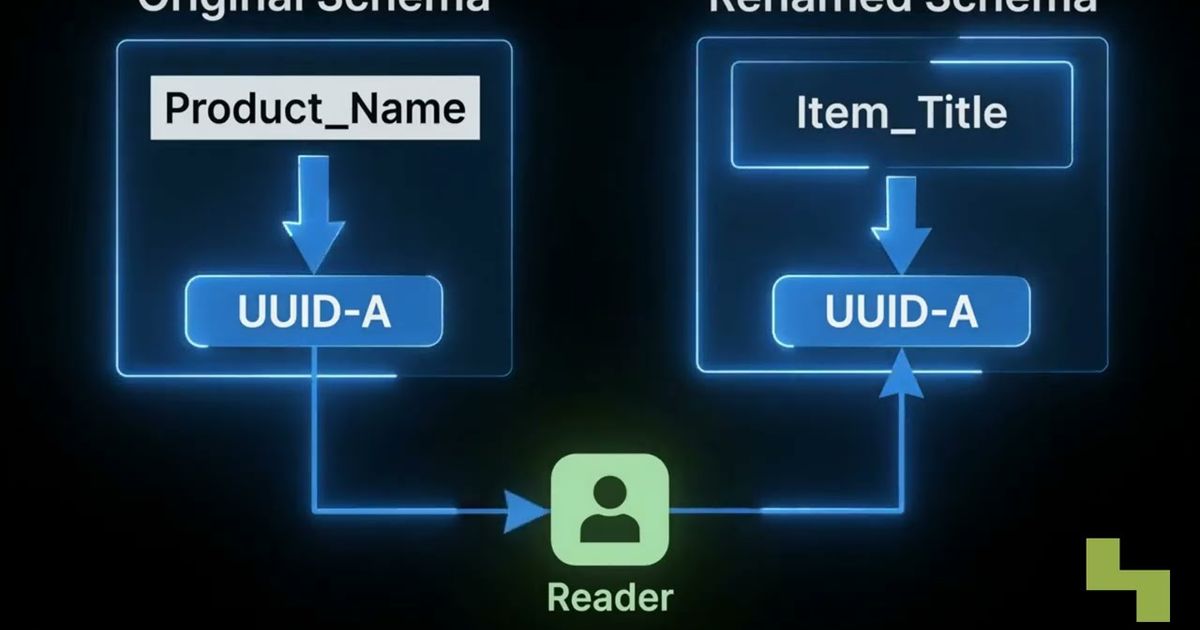
Shadow AI is the unsanctioned use of AI tools, applications, or connections inside an organization. It creates risk when employees send customer data, product specifications, source code, or other sensitive information across boundaries the organization cannot govern, without approved controls for retention, model training, security, access, and audit.
The underlying behavior is usually driven by a legitimate productivity need rather than malicious intent, but every unobserved interaction can increase security, privacy, compliance, and intellectual property exposure. The video above walks through the core ideas.
What is shadow AI and why is it risky?
Shadow AI is a modern form of shadow IT with higher potential stakes because AI tools often receive valuable organizational context as direct input. The organization may not know what data was shared, where it went, how long it will be retained, or whether it could be used to improve a provider’s models.
Common examples include pasting customer records into a public chatbot, uploading product specifications to an unapproved assistant, sharing proprietary source code with a coding tool, or connecting an AI service to a corporate account without review. In each case, information crosses into a system that may sit outside approved security and governance boundaries.
The central problem is loss of control rather than AI use itself. Without visibility, security teams cannot apply data classification rules, confirm provider practices, investigate incidents, or demonstrate compliance. A broader AI data governance framework should therefore account for both approved AI systems and unsanctioned activity.
Why do blanket bans on AI tools fail?
Blanket bans rarely remove the productivity pressure that caused shadow AI adoption. They can instead push employees toward personal devices, private accounts, and browser-based tools that corporate monitoring cannot see.
Employees may turn to unapproved AI because sanctioned systems are unavailable, slow, difficult to access, or poorly matched to their work. Treating every user as malicious misses this root cause and can reduce visibility without reducing demand.
A more practical response combines clear restrictions with useful approved alternatives. Organizations should classify information and define which categories may enter specific AI systems, for which purposes, and under which conditions. Public information might be acceptable in one service, while customer data, credentials, source code, or regulated records may require a private, governed environment or may be prohibited entirely.
How can enterprises detect shadow AI?
Enterprises need multiple detection layers because no single control can observe every AI interaction. Network, browser, endpoint, and identity signals reveal different parts of the problem and should be analyzed together.
- Network traffic analysis can identify connections to known AI provider endpoints and unusual transfer patterns.
- Browser-layer controls can detect direct interactions with public AI websites on managed browsers.
- Endpoint monitoring can identify installed AI applications and browser extensions.
- Identity monitoring can surface OAuth token connections that employees authorized between AI services and corporate accounts without IT review.
These controls have blind spots. Network monitoring may identify a destination without fully explaining the data or user intent, while endpoint controls cannot govern an unmanaged personal device. That is why detection should support investigation and policy enforcement rather than serve as a standalone solution.

What makes shadow AI governance durable?
Durable governance combines sanctioned tools, data classification, enforcement, and audit records. Blocking and data loss prevention controls matter, but they do not provide sufficient control unless the organization can reconstruct AI activity afterward.
A practical program should establish a repeatable path:
- Classify sensitive data and define which AI uses are allowed.
- Provide approved AI tools that address legitimate productivity needs.
- Enforce conditions through identity, access, browser, network, endpoint, and data controls.
- Record enough context to determine which AI was used, by whom, with what data, and under which policy.
Auditability turns isolated controls into an accountable governance system. It supports incident investigation, policy improvement, and evidence for regulators or internal reviewers. An AI audit checklist can help teams assess whether policies, access decisions, logs, ownership, and review procedures are connected rather than merely documented.

Key takeaways
- Shadow AI is usually a response to real productivity needs, not deliberate employee misconduct.
- Sensitive information can cross into AI systems whose retention, training, and security practices have not been approved.
- Blanket bans can drive activity onto unmanaged accounts and devices, reducing organizational visibility.
- Effective detection combines network, browser, endpoint, and identity monitoring.
- Governance becomes durable when organizations can audit who used which AI system, with what data, and under what policy.
How Hyperlake helps
Hyperlake lets teams deploy private AI services, governed data access, applications, and supporting tools in infrastructure they or their clients control. Its modular platform can apply OAuth/OIDC sign-in, scoped identity, OPA policy decisions, network isolation, secrets, logging, lineage, and lifecycle controls at integrated access points, with specific procedures depending on the deployment. To discuss an approved AI environment that addresses productivity needs without surrendering control, talk to our team.
Frequently asked questions
Can employees use public AI tools safely for work?
Public AI tools may be appropriate for information that an organization has explicitly classified as safe to share, provided the tool and use case have been approved. Employees should not assume that customer records, proprietary code, internal documents, credentials, or regulated data are acceptable inputs. Safety depends on the data, provider terms, retention practices, access controls, and organizational policy.
What should a shadow AI policy include?
A shadow AI policy should define approved tools, prohibited data categories, acceptable use cases, required identities, review procedures, and consequences for bypassing controls. It should also explain how employees can request a new tool or obtain an approved alternative. Clear escalation paths help the organization address legitimate productivity needs before users adopt unreviewed services.
Can data loss prevention stop all shadow AI activity?
Data loss prevention can block or flag some sensitive transfers, but it cannot see every application, device, encrypted interaction, or external account. It also does not eliminate the business need driving employees toward AI tools. Effective governance combines DLP with sanctioned alternatives, identity controls, network and endpoint visibility, browser policies, and audit records.
What records are needed to audit enterprise AI usage?
An organization should be able to determine which AI service was used, which person or workload initiated the action, what relevant data classification applied, and which policy allowed or denied access. Logs should also preserve access decisions and enough context for investigation without collecting unnecessary sensitive content. Exact retention and review requirements depend on the organization’s obligations and risk model.