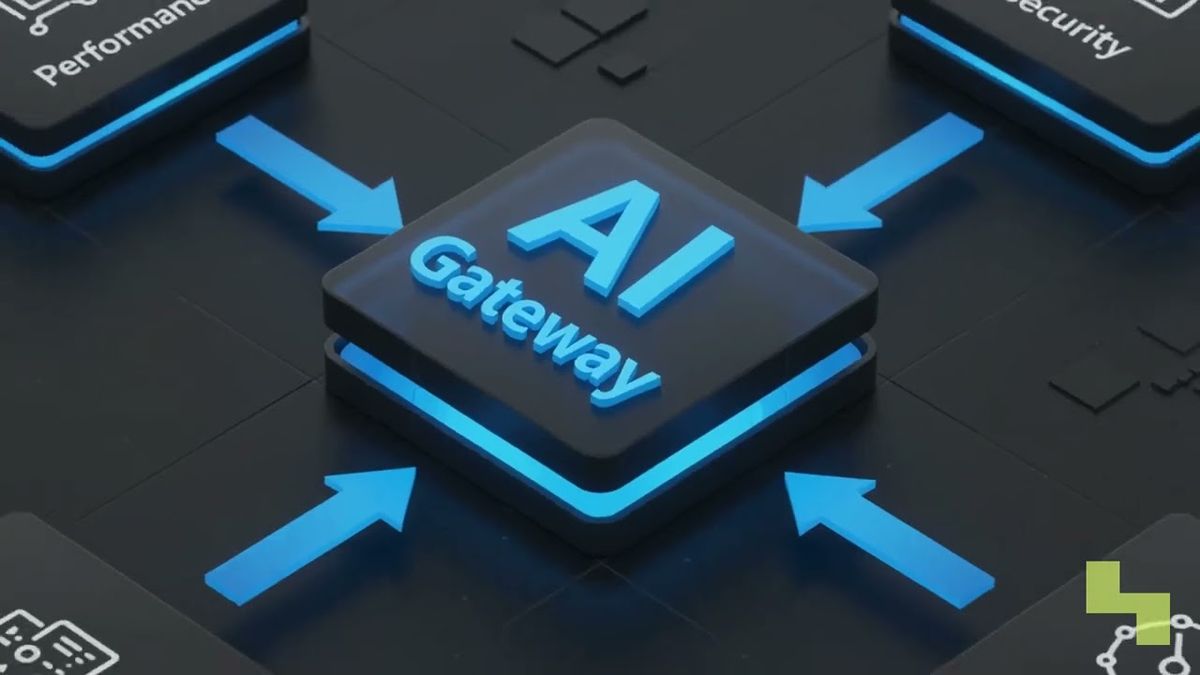
The AI gateway vs API gateway question comes down to what each one governs. An AI gateway sits between applications and AI models. An API gateway handles structured traffic between clients and backend services: authentication, routing, rate limits and load balancing. The AI gateway adds token-aware cost controls, semantic policy enforcement, model routing, failover, and prompt-and-response observability.
Why bother with a second gateway? Model calls vary in cost, latency, content and the ways they fail, and conventional HTTP controls were never built to understand any of that. Run both layers and you close operational and security gaps before they show up in production.
What is the difference between an AI gateway and an API gateway?
A model returns HTTP 200 with a reply that quotes a customer's personal data back to the wrong person. Did the call succeed?
To an API gateway, yes. That's the difference in one example. The API gateway manages deterministic service traffic, the AI gateway manages probabilistic model traffic, and they sit at different architectural boundaries looking at different properties of each interaction.
The traditional API gateway stands between clients and backend services: it authenticates callers, checks authorization, matches requests to routes, applies request-based rate limits, balances load and handles structured HTTP responses. Usage tends to be counted per API call. Failure is binary, because the service either answered or it didn't.
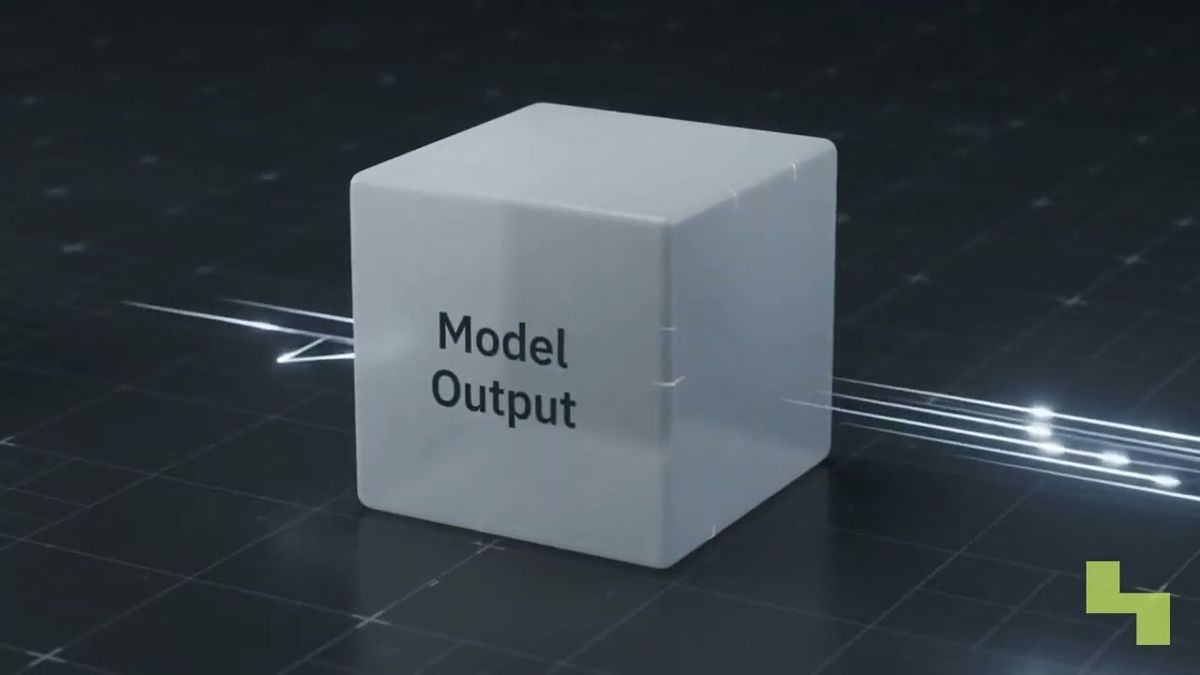
An AI gateway lives between applications or agents and model endpoints, and it has to account for prompts, generated outputs, model selection, token consumption, variable latency and semantic content. A model can return a technically successful response that's unsafe, inaccurate, unsupported or against policy. That's the awkward part.
So an AI gateway isn't a new name for an API proxy; it adds controls that understand model behavior. Meanwhile the API gateway carries on with conventional client-to-service and service-to-service traffic.

Do enterprises need both an AI gateway and an API gateway?
For most, yes: the two sit at different boundaries. The API gateway protects and routes ordinary application traffic; the AI gateway applies model-specific controls where applications, agents and models meet.
Follow one request. A user or client reaches the application through the API gateway, which authenticates the caller, enforces service-level limits and routes the request. From there the application routes its model request through the AI gateway, which checks policy, picks an allowed model, records usage and watches the response come back.
You keep the API management you already have and layer controls for AI-specific risks on top. You also stop copying model routing, usage tracking, policy checks and failover logic into every application. Honestly, that's the benefit we'd value most.
Neither gateway stands in for identity, data authorization, application security, model evaluation, or human approval of consequential actions. Gateways enforce decisions about traffic. They can't tell you whether an AI result is correct, or right for a particular business process.

Why isn't a standard API gateway enough for AI traffic?
Model requests pass through it without trouble. Interpreting or governing them is another story, because AI traffic breaks the usual assumptions about predictable cost, structured payloads, latency, security and binary success.
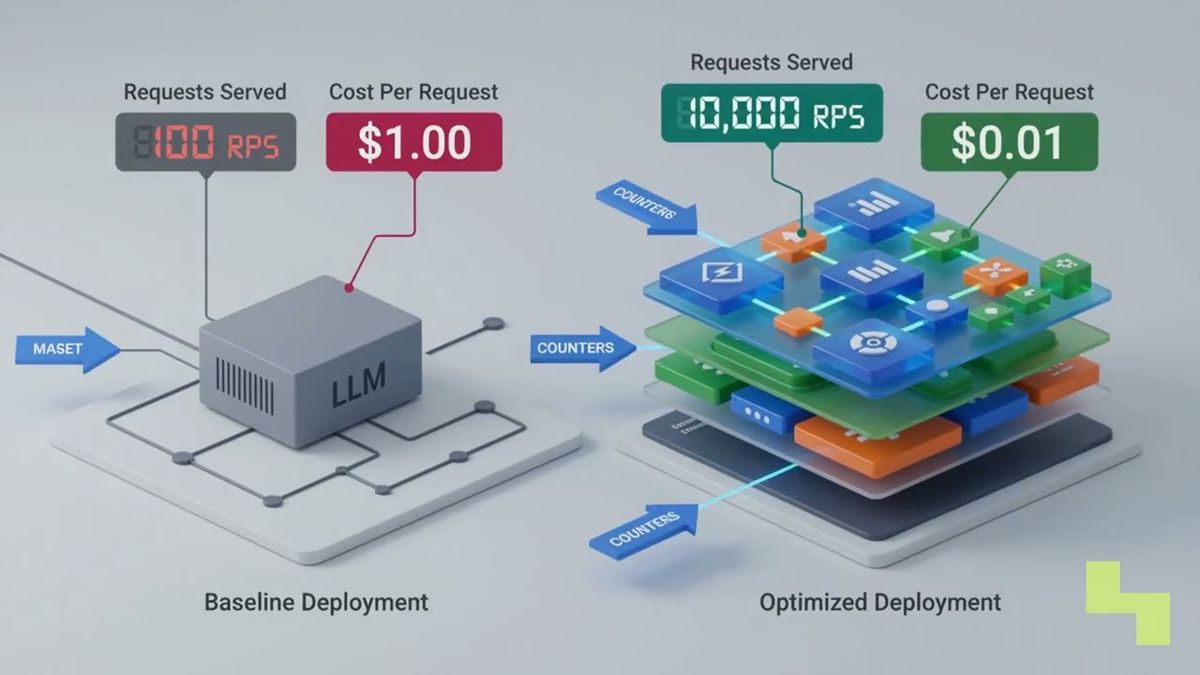
Start with cost. Request counts say very little here: prompt and response lengths vary, and two calls to the same endpoint can burn wildly different resources. Token-aware metering can attribute consumption by team, user, feature, application or workload instead, and it fits alongside broader LLM cost attribution practices.
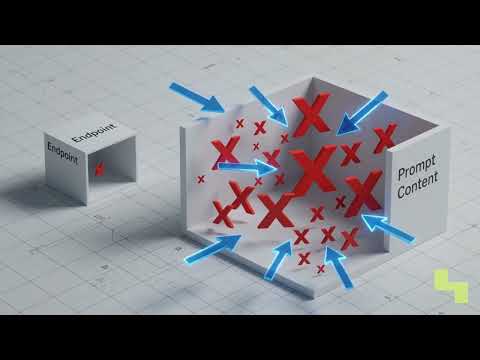
Then content. A natural-language response may contain sensitive customer data, hallucinated information or material that breaks policy. A prompt may carry malicious instructions meant to manipulate the model or expose protected information. A conventional gateway sees identity, headers, routes and payload size; semantic intent usually isn't something it interprets.
Latency is the third gap. A request might finish slowly, hit a provider limit, produce a weak answer, or return content that must be blocked even though the HTTP status is perfectly fine. AI systems need a richer idea of what "success" means.
What controls does an API gateway for AI need to add?
Model-aware ones. Exact features vary by implementation, but the gateway has to understand more than network metadata, across economics, content, routing, resilience and observability. The usual set:
- Token-aware attribution, recording input and output consumption.
- Semantic inspection of prompts and responses for policy violations, PII and suspected prompt injection patterns.
- Dynamic model routing by cost, latency, capability or policy.
- Failover that redirects traffic when a provider or endpoint degrades, inside compatibility and policy limits.
- Traces tying together prompts, outputs, model choices, timing, token use, policy decisions and errors.
Handle those traces with care. Prompts and responses can hold confidential information, so access controls, retention rules, redaction and audit policies should decide who gets to look. One layer isn't enough, either. Semantic filtering is a single defense against indirect prompt injection and AI supply chain risk, so don't lean on it alone.
How Hyperlake helps
Hyperlake lets teams assemble and run model services, applications, data services, identity, policies, secrets, observability and lifecycle controls in infrastructure they or their clients control. The governed access patterns use authenticated identities, policy decisions, and enforcement and logging at integrated access points. Specific integrations and automations depend on the deployment. To talk about private model access and agent traffic, talk to our team.
Frequently asked questions
Can an API gateway send requests to a language model?
Yes. An API gateway will authenticate, rate-limit, route and load-balance HTTP requests to a model endpoint like any other traffic. What it generally won't understand is token consumption, prompt meaning, generated content or AI-specific threats. Adding those model-aware controls is the AI gateway's job.
Does an AI gateway prevent every prompt injection attack?
No, and neither does any other filter. The gateway can inspect content, enforce policy and flag suspicious patterns. Real protection takes more: restricted tool permissions, governed data access, scoped credentials, output validation, monitoring, and human approval before consequential actions.
How does an AI gateway measure model costs more accurately?
It records input tokens, output tokens, the selected model, and the identity or workload behind each interaction. You learn far more from that than from a request count, since two calls can consume very different resources. Actual cost still depends on provider pricing, or on the economics of your own infrastructure.