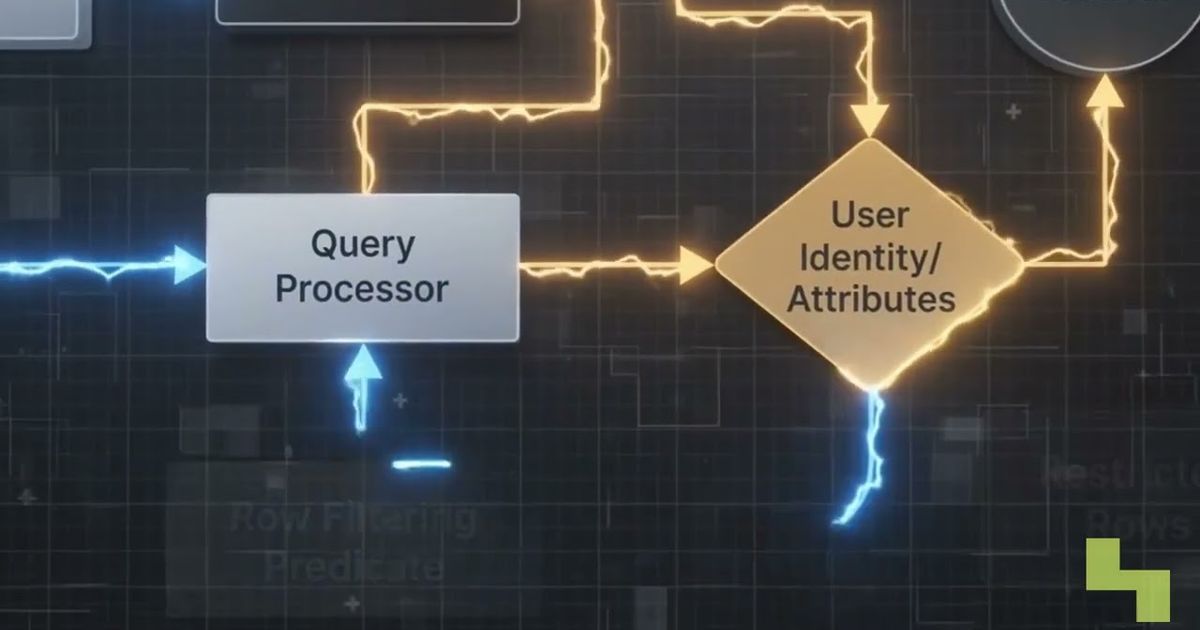
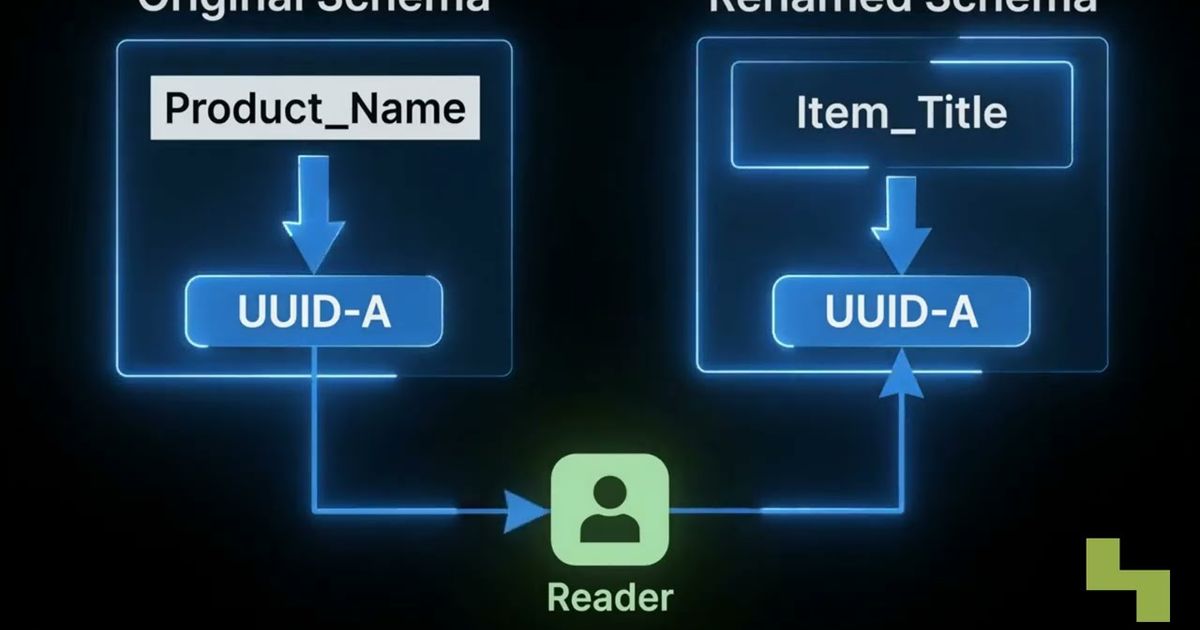
PII redaction for AI should be enforced at a gateway before model-bound traffic leaves the organization’s control. A gateway applies one detection policy across applications and providers, replaces sensitive values with useful placeholders, and centralizes audit evidence. Application-level controls can add context, but they should not be the only defense.
This matters because sensitive data can reach a model through prompts, retrieved documents, tool responses, or generated output. Without a shared enforcement point, every application team must independently maintain complete and consistent protection. The video above walks through the core ideas.
Where can PII enter an AI pipeline?
PII can enter an AI pipeline through user input, retrieved context, tool results, and model output. Protecting only the text typed into a chat interface therefore leaves several important paths uncovered.
- User input: An employee or customer can enter a name, Social Security number, medical record identifier, account number, or internal credential directly into a prompt.
- Retrieved context: A retrieval-augmented generation pipeline can inject document chunks containing personal data without filtering them first.
- Tool results: An agent can call a database or external API and add sensitive records from the response to the model context.
- Model output: A model can repeat, combine, or reconstruct sensitive information from context even when the initial user message appeared clean.
PII protection must account for the assembled prompt, not merely the user’s visible message. Response handling also needs controls because generated text may expose information that was legitimately available to the system but should not be shown to the current user. This broader approach belongs within an organization’s AI data governance framework.
Why does application-layer redaction create gaps?
Application-layer redaction distributes responsibility across product teams, producing different rules, detection methods, maintenance schedules, and audit records. It can use valuable business context, but it is difficult to make comprehensive when it serves as the sole control.
Every new chatbot, copilot, agent, or AI-enabled workflow becomes another implementation that must correctly detect sensitive entities. Teams may classify the same identifier differently, update policies at different times, or omit redaction from a new integration.
Audits also become harder. Evidence about what was detected, changed, and forwarded must be collected from disconnected systems. Application controls remain useful for authorization and domain-specific decisions, but a centralized baseline reduces the chance that one product bypasses the organization’s minimum policy.

How does gateway-layer PII redaction work?
A gateway routes model-bound requests through one enforcement point before they reach an external provider. It detects protected values, replaces them with labeled placeholders, forwards the sanitized prompt, and records which policy was applied.
For example, “Check account 4581 for Jane Smith” might become “Check account [ACCOUNT_ID] for [PERSON].” The model retains the structure and purpose of the request without processing the original values. The substitution strategy should preserve only the context needed for the task.
This architecture works only when applications cannot bypass the gateway. Identity, network policy, service configuration, and scoped credentials should require approved model traffic to use the controlled route. A bidirectional gateway can also inspect model responses, while application authorization determines whether the requesting person or agent may receive particular information.
Enterprise model-provider tiers may offer contractual data-retention controls and audit logging. Those measures do not remove sensitive values before inference: the provider still processes the full prompt unless redaction happens within infrastructure the organization controls.

How can redaction protect data without making AI useless?
Effective redaction removes the sensitive value while preserving enough semantic context for the model to complete the task. Overly aggressive policies can protect data by eliminating the information that makes the request understandable.
A useful policy should distinguish among entity types, task requirements, and destinations. An account number may need replacement, while the surrounding description of a billing problem can remain. Internal credentials should generally be blocked rather than converted into reusable context.
Practical policy design should:
- Classify the sensitive entity and the risk of sending it outside the controlled boundary.
- Replace only the protected value when surrounding text is safe and useful.
- Block or escalate requests when substitution cannot adequately reduce risk.
- Test both leakage prevention and task quality as models, retrieval sources, tools, and policies change.
Redaction is one guardrail rather than a substitute for access control. Retrieval and tool systems should prevent unauthorized data from entering context in the first place, following the same identity and authorization principles used for LLM access control and RBAC.
Key takeaways
- PII can enter through user prompts, retrieved documents, tool responses, and model-generated output.
- Gateway enforcement creates a consistent baseline across applications, teams, and model providers.
- Provider retention commitments do not redact sensitive data before the model processes it.
- Labeled placeholders can preserve task context without exposing original values.
- Application authorization and gateway redaction should complement rather than replace each other.
How Hyperlake helps
Hyperlake lets teams assemble and govern data services, model services, applications, policies, network boundaries, scoped secrets, and audit capabilities in infrastructure they or their clients control. Its identity-to-data approach uses authenticated services, validated workload or user identity, policy decisions, and logging at integrated access points; the specific PII detection and redaction service depends on the chosen deployment. To discuss an architecture for governed AI traffic, talk to our team.
Frequently asked questions
Does a zero-data-retention agreement eliminate the need for PII redaction?
No. A zero-data-retention agreement may govern whether a provider stores prompts after processing, but it does not prevent the model service from receiving and processing the original sensitive values. Redaction must occur before the request crosses the organization’s controlled boundary if the provider should never see those values.
Should AI systems redact retrieval results before adding them to prompts?
Yes, when retrieved documents contain personal data that the model does not need in original form. The system should first enforce authorization so users and agents retrieve only approved records, then redact protected values before model processing when required. Filtering only the user’s message does not protect sensitive document chunks added later.
Can placeholders preserve enough context for an LLM to answer accurately?
Often they can. Labels such as [PERSON], [ACCOUNT_ID], or [MEDICAL_RECORD_ID] tell the model what kind of entity appeared without revealing its value. Whether that is sufficient depends on the task; requests that require the exact value may need an approved internal workflow rather than an external model call.
Is gateway redaction sufficient for securing an AI agent?
No. Gateway redaction reduces exposure in model traffic, but an agent also needs authenticated identity, data and tool authorization, scoped secrets, network controls, output checks, and audit trails. These controls prevent unauthorized retrieval or action, while redaction limits what sensitive content reaches a model provider.